
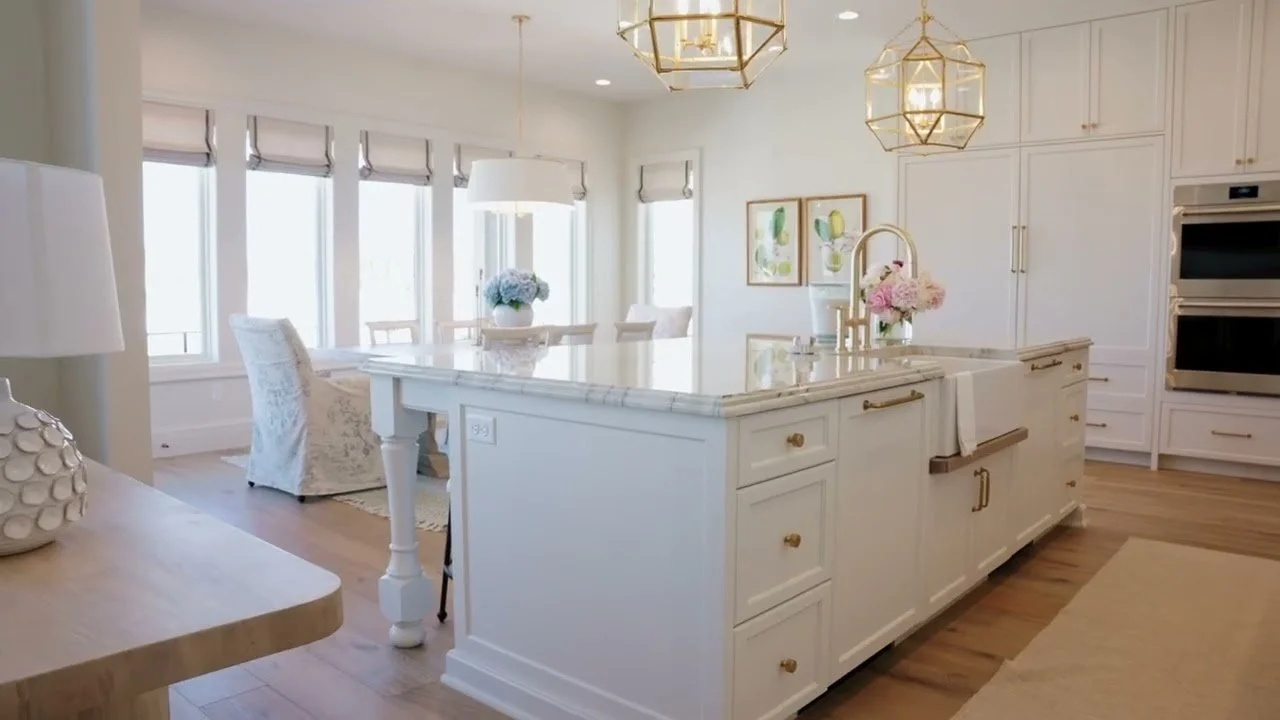
How do you show off a $2.3M custom home on a phone screen?
Everyone knows the recipe: film, edit, publish. Following the recipe doesn't mean you'll like the taste.
Real estate video marketing is using video to sell homes and build your name as a builder, agent or brokerage. Tours, short vertical clips, drone footage, interviews, neighborhood videos and homeowner testimonials. Most of the guides on this topic come from software companies selling a template app. My team at Macey Media films homes for Utah builders like Hawkstone Luxury Homes and Narwhal Homes, so this one comes from the job site. What buyers actually watch, how we plan a shoot, what it costs and the rules most people skip.
Watch Bobby's breakdown of the Hawkstone luxury home shoot on LinkedIn
What Buyers Actually Watch Before They Tour
Buyers tour homes on their phones long before they walk through the front door. The National Association of Realtors' Profile of Home Buyers and Sellers found that 52% of buyers found the home they bought online, 70% searched on a phone or tablet, and 52% used an online video site along the way.
Zillow's Consumer Housing Trends Report adds the other half. 69% of buyers say a 3D tour gives them a better feel for a space than photos, and 63% wish more listings had one. But only 30% would pick a virtual tour over seeing the home in person.
That's the job of real estate video. It doesn't replace the showing. It gets you the showing. A photo shows a room. A video shows how the rooms connect, how the light moves and what it feels like to walk in.
One note on numbers. You'll see "listings with video get 403% more inquiries" all over real estate blogs. We couldn't trace it to a current study, so we don't use it. The real data above makes the case fine on its own.
The Hard Part: Homes Are Wide and Phones Are Tall
Real estate is built on wide shots. Great rooms, vaulted ceilings, mountain views. Then most people watch your video in a vertical social feed that cuts the sides off everything.
That's where most real estate video falls flat. A crew that shoots homes well does three things:
Tells the home's story: A slideshow of rooms won't sell anything. Every clip needs a reason to exist.
Frames for a phone on purpose: Low angles for ceilings, slow push-ins on features, and tighter shots that still read on a small screen.
Mixes the shots: Interiors, exteriors and drone. Drone footage shows the lot, the views and the neighborhood in a way ground shots can't. It's a big part of the work we do for builders as a drone video company.
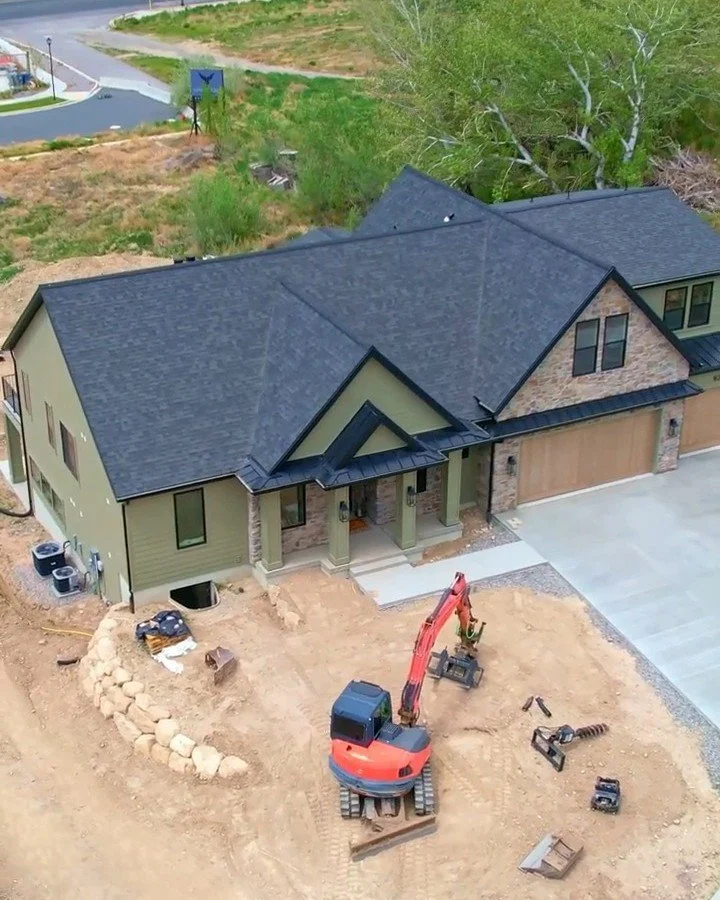
Put Someone on Camera Who Knows Why
Make sure the person on camera is "really, really ridiculously good looking." Kidding... mostly. Personality matters too.
More important, they have to know the home well enough to explain its best features.
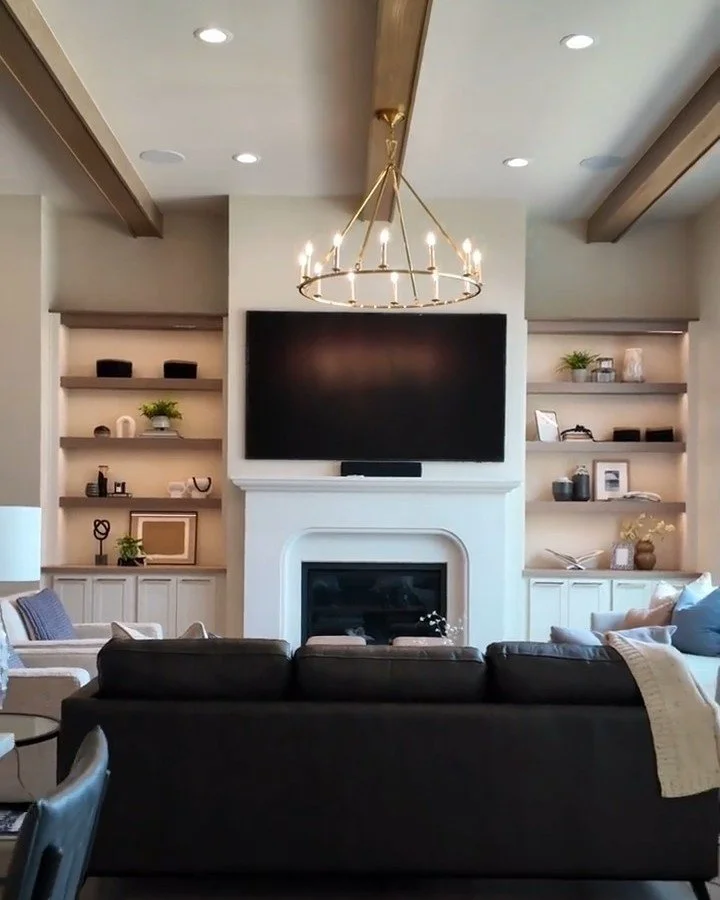
In our Hawkstone model home video, Israel Patterson walks viewers through the high ceilings and open concept into the kitchen and dining room. Then he points out something most people would never notice. They centered the fireplace to the room with the furniture in it, so there's a walkway already built in.
Most viewers won't catch that unless someone tells them. That one detail makes the builder look like the expert, and it's the kind of thing we chase on every tour, including Hawkstone's Utah Valley Parade of Homes video.
Tours Can Have Some Fun in Them
Not every real estate video needs to be polished and serious. While we were on site at a Hawkstone property in Highland, Utah, I decided to host a backyard tour myself.
The developer told me they designed the house around the yard, not the other way around. That became the story. So I walked it in order: a level grassy lawn with mountain views, hammocks, garden boxes, a pickleball and basketball court, a pergola with swings, then the pool, hot tub and pool house.
The pool area is where the tour found its hook.
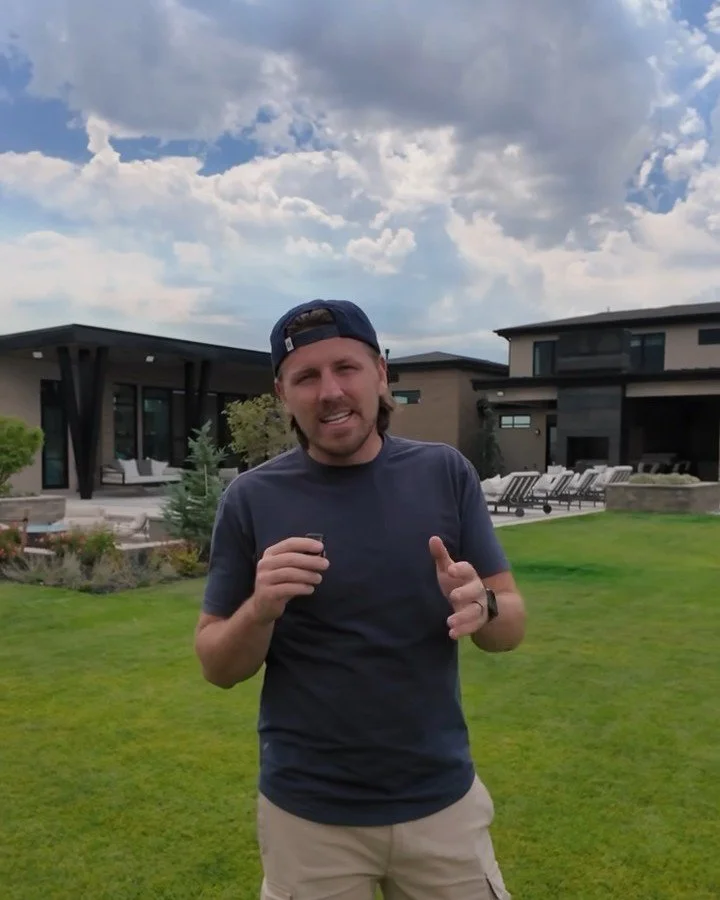
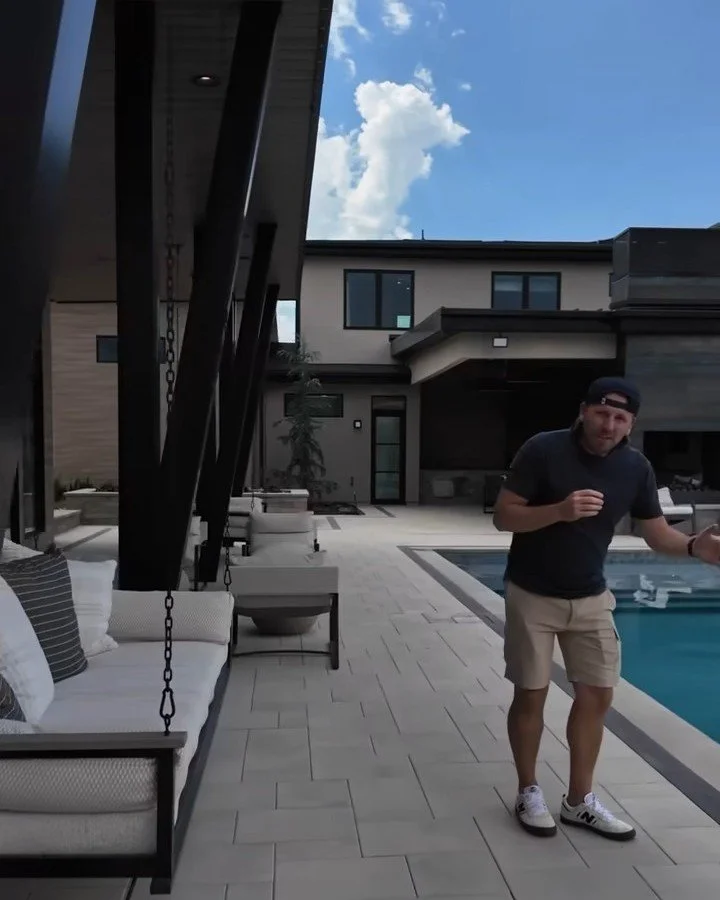
It felt like a spa, but the outdoor grill made it feel like home. "This is where spa meets home" tells a buyer how they'd actually live there, which a spec sheet never will.
And yes, we left in my failed side flip on the in-ground trampoline. That's the part people remember and share. A little personality makes a $2M backyard feel like a place real people hang out.
How 2 Hours on Site Became 15+ Videos
This is where real estate video pays for itself. For Hawkstone, 2 hours of filming turned into 15+ vertical videos that work across platforms. At two posts a week, that's about a month of content from one visit.
It only works if you plan for it before anyone hits record:
One idea per clip: One room, one feature or one story, so every clip makes sense on its own.
Hook in the first two seconds: Lead with the best shot or the boldest line.
Know where each clip starts and ends while you're filming, not in the edit.
Write down the "why" for each feature: That's what your host says on camera.
Shoot for both shapes: Vertical (9:16) for Reels, TikTok and Shorts. Horizontal (16:9) for YouTube, your website and listing pages. YouTube Shorts can now run up to three minutes if the video is vertical or square, so a short tour can live there too.
Prep the house: Clear counters, turn on every light, open the blinds. Morning or late afternoon light is softer, and dusk is best for exteriors.
Then caption everything, because plenty of people scroll with the sound off. Give the long versions a search-friendly title with the city, neighborhood and home type. Our video SEO guide covers that part.
Turn Designer and Builder Interviews Into Months of Content
This is one of the designer pieces we filmed with Hawkstone. It runs long on purpose, because people who watch a full designer video on YouTube are seriously thinking about building.
Hawkstone gets it. We filmed two longer YouTube interviews with Allison Campbell, their lead designer, then chopped them into a stack of short-form content they can post on social for months.
A half-day shoot turned into content for social media, email, ads and their website. It's the same thinking behind every video content strategy we build.
Builders and agents, your knowledge is content. Every "here's why we did it this way" answer is a clip waiting to happen. A few questions that always get good answers:
What's one detail most buyers miss?
Why did you design the home around this feature?
What do you wish more buyers asked about?
What would you never build again, and why?
Sell the Neighborhood Too
This is a community video we made for Narwhal Homes in Lehi. Buyers aren't only picking a floor plan. They're picking a commute, a park, a school and a street.
Community videos work for builders opening a new neighborhood and for agents who want to own a city in search. We did the same for Narwhal in American Fork with Mitchell Farms. These videos also keep working after a single listing sells, because the neighborhood is still there next year. Post them on your social profiles too. We explain why that helps you get found in our guide to social media for SEO.
Let Homeowners Make the Case
Here Hawkstone homeowners explain, in their own words, why they chose that builder. A buyer believes another buyer more than any ad.
Film testimonials at closing or a few months after move-in, while the excitement is still real. Keep the questions simple: What were you looking for? What surprised you? Would you recommend them, and why? A phone and a clip-on mic work for a quick one. For the version that goes on your website, a testimonial video production crew is worth it.
The Rules Most Guides Skip
None of the big guides on this topic mention these, and they're the ones that can get a video pulled or a listing in trouble:
Get permission in writing: Get the seller's OK before filming inside, and keep tenants, family photos, mail and anything with personal information out of frame.
Drone pilots need a Part 107 certificate: Flying for a business is commercial use under FAA rules (Pilot Institute). Ask for the certificate before you book.
Housing ads have targeting limits: On Facebook and Instagram, housing ads run under a Special Ad Category that blocks targeting by age, gender and ZIP code (Jon Loomer). Plan your ad audience around that, not around demographics.
License your music: A trending song that's fine in a personal post can get a business ad or YouTube video muted or blocked.
Check branded vs. unbranded rules: Many MLSs want an unbranded tour link with no agent name or phone number. Cut both versions in the edit.
What It Costs, and When Your Phone Is Enough
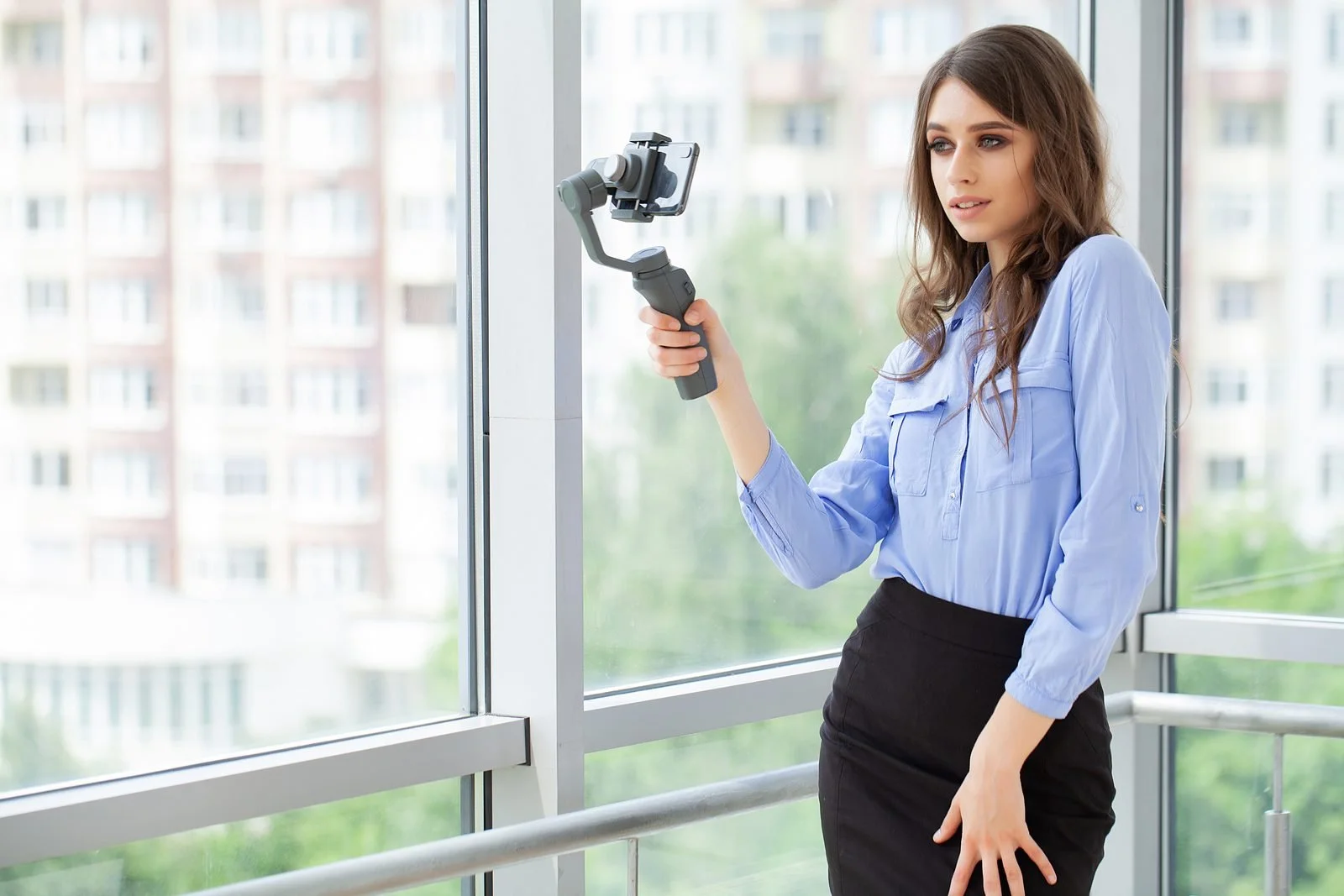
Your phone is great for weekly market updates, quick tips, build progress clips and behind-the-scenes. Our guide to iPhone video settings covers the setup. Add a clip-on mic and you're set.
Bring in a crew for luxury listings, new construction, model homes, big lots and anything with views. Those homes need drone, smooth movement and a story. A shaky phone tour can make a $2M home look like a $500K home.
For a professional shoot, our video projects start at $5,000, and most land between $10,000 and $20,000 depending on scope. That usually covers planning, the shoot, drone, editing and multiple cuts. A medium-sized project takes about 4 to 6 weeks from planning to final files.
The best way to lower your cost per video is volume from one visit. If one shoot gives you 15+ clips, a full tour and an interview, every piece costs a fraction of a one-off video.
How to Tell If It's Working
Views are nice. Tour requests pay the bills. Each month, look at:
Watch time and completion rate on each clip, to see which features people care about.
Saves, shares and DMs, which show real interest better than likes.
Tour requests and form fills that come from a video link or mention a video.
YouTube search traffic to your tours and interviews, which keeps growing long after you post.
When one kind of clip wins, film more of it on the next shoot.
Questions Builders and Agents Ask Us
How long should a real estate video be?
Keep social clips between 15 and 60 seconds, one feature per clip. A full property or model home tour usually runs 1 to 3 minutes. Builder and designer interviews can run longer on YouTube and your website, where people came to learn.
Should real estate videos be vertical or horizontal?
You need both. Vertical (9:16) for Reels, TikTok, YouTube Shorts and Facebook. Horizontal (16:9) for YouTube, your website and listing pages. Decide before the shoot so the crew frames for each.
Do listings with video really get 403% more inquiries?
That number shows up on a lot of real estate sites, but we couldn't trace it to a current study, so we don't use it. Recent data from NAR and Zillow shows buyers lean hard on online photos, video and virtual tours, which is reason enough.
Does a real estate drone pilot need a license?
Yes. Flying a drone for a business counts as commercial use, so the pilot needs an FAA Part 107 remote pilot certificate. Ask your crew for it before you book.
Can you film a home without the owner's permission?
Get written permission from the seller before you film inside, and keep tenants, family photos, mail and anything with personal information out of frame. Check your brokerage and MLS rules for listing video too.
How much does real estate video marketing cost?
Phone videos cost little more than your time. With a professional crew, our video projects start at $5,000 and most land between $10,000 and $20,000, depending on how much we film and how many versions you need.
Let's Film Your Next Home
If you're a builder, developer or agent in Utah and want real estate video people actually finish watching, we can help. We plan the shoot so one visit fills your feed for a month. See our real estate videography work, send us a note, or call (385) 831-1130.
