

Is organic social media dead?
The answer is a resounding no. It changed.
Founders juggling a lot of balls ask me all the time, "Dude, is it even worth it for us to post on social media?" My answer: it depends. For a lot of brands, it still makes a ton of sense.
So, does social media help SEO? Not directly. But social media for SEO still pays off, because SEO isn't only about ranking on Google anymore. It's about showing up everywhere people search: Google, YouTube, TikTok, Instagram and AI tools like ChatGPT.
Watch Bobby explain why organic social isn't dead on LinkedIn
Does Social Media Help SEO? Not Directly, but Yes
Let's get the myth out of the way first. When Google's John Mueller was asked whether social signals affect rankings, he said "Not directly, no". Your follower count and likes don't push your website up in Google. Most links in social posts and bios are nofollow too, so they don't pass ranking value on their own.
A lot of articles stop there, or they say "no" and then spend 2,000 words acting like it's "yes." Here's what social media does do for search:
It creates brand searches: Someone sees your video on Monday. On Thursday they need what you sell, so they type your name into Google. Those are the warmest visitors you'll get.
It takes up more of page one: Your YouTube channel, Instagram profile, TikTok videos and Facebook page can all rank for your brand name. More of the page is yours and less belongs to competitors or old review sites.
It leads to real links: Social links mostly don't count, but the people who find you there do. A reporter, blogger or local partner who watches your video might link to your website from theirs. Those links help.
It gives search engines more places to find you: Google and AI tools pull from videos, forums and social posts. Helpful content on YouTube and other platforms means more chances to be the answer.
It helps Google connect the dots: Google's organization structured data guide lists a
sameAsproperty for linking your website to your social profiles. Matching names, descriptions and links across platforms tie them all to one business.
Why I'm Selling More Social Media Than Ever
I sell and service more social media packages now than I ever have. Brands are realizing that showing up everywhere matters.
When the message on your website, your sales calls and your social feeds all line up, you get a content marketing web that sticks together. People see you on Google, then on Instagram, then in an AI answer, and every touch builds on the last.
The other big shift is AI. AI tools pull answers from all over, including social posts, videos and reviews, so a good social media strategy is more valuable now, not less.
People Search Inside the Apps Now
Social apps aren't replacing Google. They're a second front door.
Adobe found that 49% of U.S. consumers have used TikTok as a search engine, up from 41% the year before. A Sprout Social survey found more than 40% of Gen Z looks to social media first when they need information. Google saw this coming years ago, when Google executive Prabhakar Raghavan said "almost 40% of young people, when they're looking for a place for lunch" go to TikTok or Instagram instead of Google Maps or Search.
What are they looking for? In the same Adobe survey, the top TikTok searches were video tutorials (61%), product reviews (45%), personal stories (41%) and influencer recommendations (33%). Every business can make those.
Here's how each platform fits:
YouTube: the long-standing place people go to learn how to do something. Don't sleep on YouTube Shorts. It averages 200 billion daily views, and it's one of the biggest areas where we're seeing a huge bang for the buck.
TikTok: people search it for recommendations, how-tos and reviews.
Instagram: Reels and posts show up in Instagram search and, for business and creator accounts, in Google results too. When a customer posts about you, learn how to repost on Instagram so their content works for your profile.
Facebook: Reels run alongside your Instagram content, so you get two platforms for one piece of content.
Your Social Posts Show Up in Google and AI Answers
This is a short video we made for Narwhal Homes, a home builder, showing off one bright basement. A clip like this can sit on YouTube Shorts, TikTok, Instagram and Facebook at the same time, and every copy is another chance to be found.
Your social posts don't only live in the app. Google shows short videos from TikTok, YouTube and Instagram right in many search results. And when Ahrefs studied about 76.7 million Google AI Overviews, YouTube was the most cited domain, at 9.5% of mentions. That put it ahead of Wikipedia (8.4%) and Reddit (7.4%). On Perplexity, YouTube's share was even higher at 16.1%.
Instagram opened up too. Instagram now lets public photos, videos and Reels from business and creator accounts become eligible to show in search engines. To check yours, go to Settings, then Privacy, and look for the option that lets public photos and videos appear in search engine results. It's on by default for eligible accounts, so leave it on unless you have a reason not to.
The takeaway: a helpful video on YouTube can show up in YouTube search, Google search and AI answers. One piece of content, three places to be found. Our guide to video SEO covers the YouTube side in more detail.
Posts That Didn't Go Viral and Still Paid Off
One of our home builder clients hires us to post 12 times a month. We create each video once and publish it everywhere: YouTube Shorts, TikTok, Instagram Reels and Facebook Reels.
They had a couple hundred followers on TikTok. Someone found one of their posts and messaged them: they'd been following the brand for a while, had walked through their Parade of Homes model, and now they'd found the exact home they wanted. They're now in talks for a $4.5 million home.
What happens if that client doesn't post 12 times a month?
Builders aren't the only ones seeing this. One of our healthcare clients had a truck driver walk into their practice because he saw them on TikTok. They have fewer than 200 followers there.
None of this was dancing or trend-chasing. It was content built around the questions people are already asking. Followers didn't matter. Being findable did.
What to Post So People Find You
The best social content for search answers something a buyer is already typing. Here's what that looks like in our own work.
Answer "why should I pick you?" Buyers research big decisions for weeks. A customer telling their own story answers that question better than any ad.
This is a testimonial we made for Hawkstone Luxury Homes, a Utah luxury home builder. Videos like this rank for the builder's name on YouTube, and short cuts from it work as Reels and Shorts. If you want one of your own, see our testimonial video production work.
Show up for "new" and "near me" searches. When something opens, people look it up right away. We filmed the opening of Houston's Hot Chicken in Lehi, Utah, and the title says exactly what someone would search: the restaurant name, that it's new, and the city.
That one video gives the restaurant something to post, something to rank on YouTube for its name and town, and something to embed on its website.
Show the product people are comparing. Product reviews are one of the top things people search for on TikTok. Clean product photos and short demos give those searches something to land on.
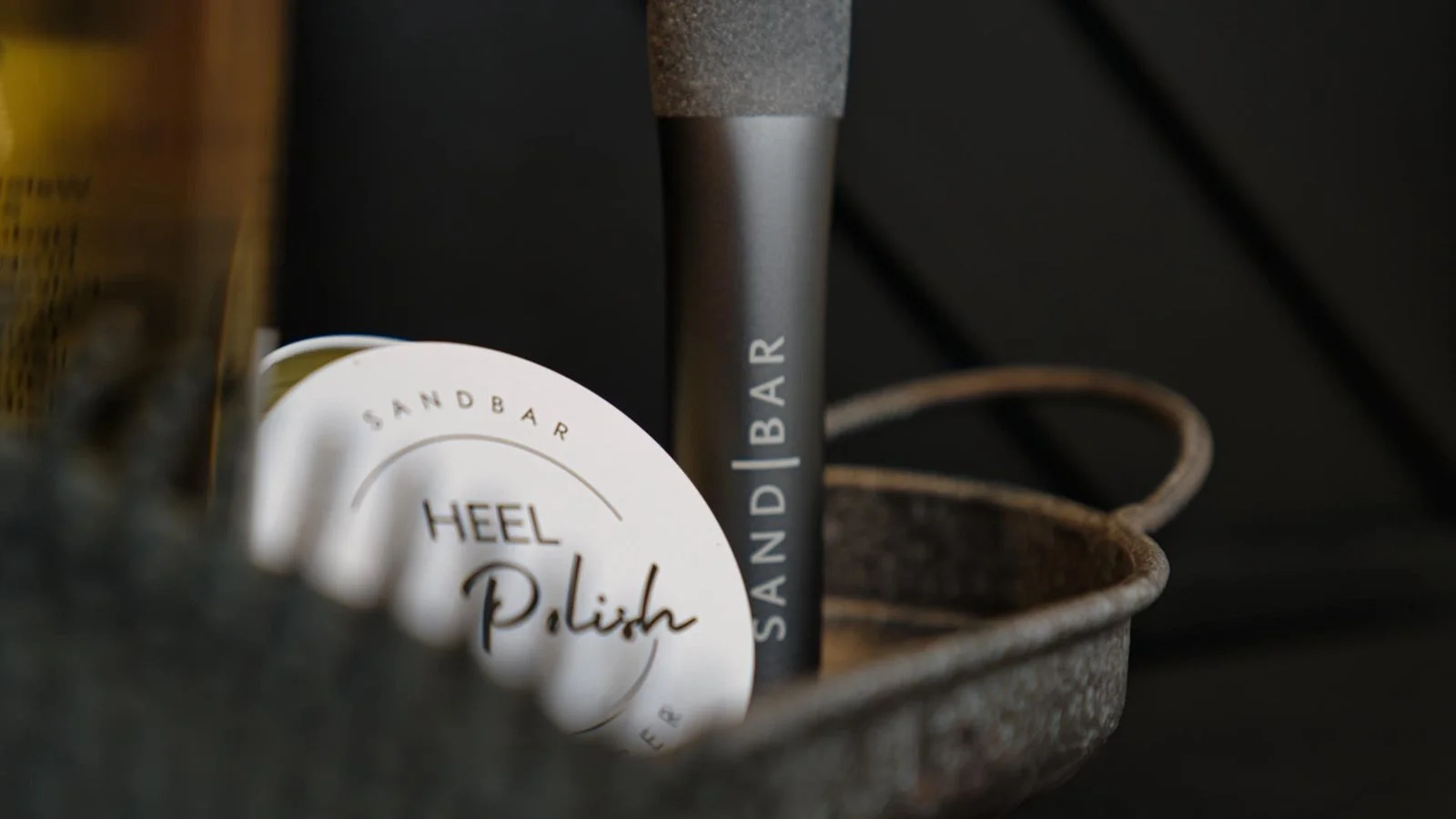
We shot this product photo for SandBar to use on social. A set of images like this, plus a few short clips, covers a whole month of posts. For more formats that work, see our guide to short-form content.
How We Make Social Content Search-Friendly
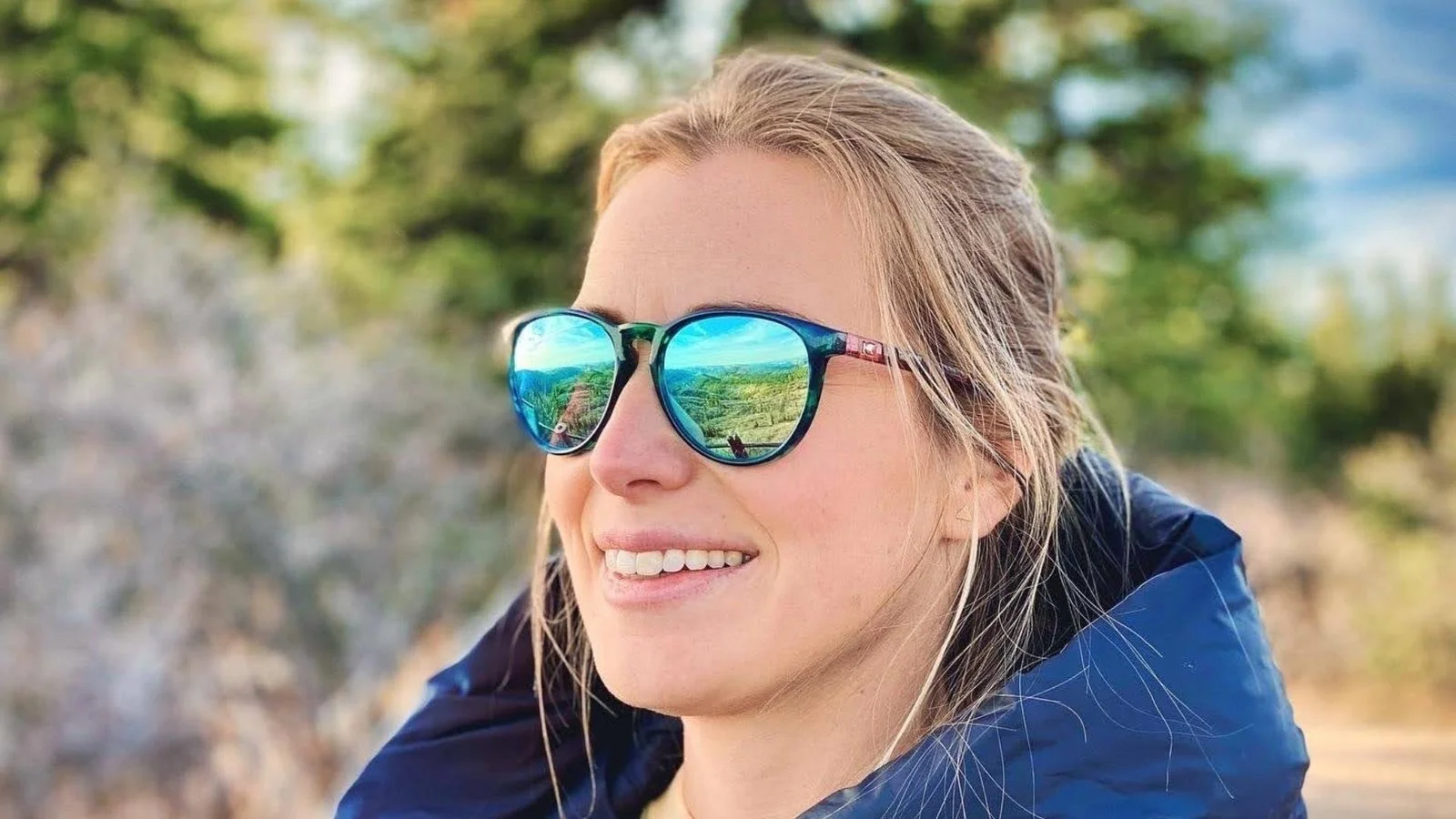
None of the top guides on this topic talk much about the video itself. That's where most of the search value lives. This is what we do for clients.
Start With the Questions Your Sales Team Hears
List the questions your team answers every week. Type them into Google, YouTube and TikTok and look at the suggestions that pop up. Those are your topics, and they're the starting point for any video content strategy.
Say the Keyword Out Loud
Put the main phrase in the first few seconds. Most platforms auto-caption what you say, so your words become searchable text.
Write Captions Like Answers
Put the phrase in the caption, the on-screen text and the YouTube title. A caption like "How long does a kitchen remodel take? Here's our real timeline" beats "Monday vibes #remodel."
Fix Your Profiles
Use your business name, what you do and where you do it in every bio. Link to your website. Keep the details the same across every platform, and add your profile links to your site's organization schema.
Create Once, Publish Everywhere
A 12-post month planned for search looks like this: pick 4 to 6 customer questions, film several short answers in one session, cut each into a vertical video with captions, then post about three times a week on YouTube Shorts, TikTok, Instagram and Facebook. That's 12 posts that become 48 placements. We call it content repurposing, and it's how a small team keeps up.
Send People Back to Your Website
Embed your best videos on the matching service pages and blog posts, and link from your profiles back to those pages. That's where social visits turn into leads.
How to Tell If It's Working
This is the part every guide skips. Followers don't pay the bills. Customers do. Here's what we watch:
Brand searches in Google Search Console: Filter the Performance report for queries that include your business name. If social is working, that number climbs over a few months.
Referral traffic from social: In Google Analytics, check visits from YouTube, TikTok, Instagram and Facebook. Add UTM tags to your bio links so you know which profile sent them.
DMs, calls and forms that mention a video: Our home builder lead started as a TikTok message. Track those by hand if you have to.
"How did you hear about us?" Ask every new customer. Add "TikTok," "Instagram" and "YouTube" as answers on your forms.
Search inside the apps: Search your main topics on YouTube and TikTok once a month and see if your videos show up.
Give it at least six months at a pace you can keep. Search results build slowly everywhere.
Do You Still Need a Website and SEO?
Yes. They do different jobs and work better together.
Your website gets found on Google and in AI search. It's slower to build, but it lasts, and it's where people go when they're ready to compare and buy.
Social media gets found inside the apps, plus Google and AI. Faster reach, shorter shelf life. It builds trust and keeps you top of mind.
When both say the same thing, each one makes the other stronger. That's why the team behind our organic SEO agency work plans content side by side with our social team.
Questions People Ask About Social Media and SEO
Does social media help SEO?
Not directly. Google has said for years that likes, shares and followers aren't a direct ranking factor. Social media helps indirectly: it gets your brand in front of more people, which leads to more brand searches, more site visits, more chances to earn links and more spots in the results with your name on them.
Do links from social media help SEO?
Not much on their own. Most links in social posts and bios are nofollow, so they don't pass ranking value to your site. The value comes when someone finds you on social and later links to you from their own website, article or resource page.
Do TikTok and Instagram posts show up on Google?
Yes. Google shows short videos from TikTok, YouTube and Instagram in many results. Public photos, videos and Reels from Instagram business and creator accounts (owners 18+) can be indexed by search engines unless you turn that setting off.
How often should a business post on social media for SEO?
Consistency beats volume. Many of our clients post about 12 times a month, which is roughly three posts a week, and we create each video once and publish it on several platforms. Pick a pace you can keep for a full year.
Which social media platform is best for SEO?
For most businesses, YouTube. Google owns it, YouTube videos show up in regular search results, and an Ahrefs study found YouTube was the most cited domain in Google AI Overviews. TikTok and Instagram are strong next steps if your customers search there.
Is organic social media dead?
No. It changed. Posting just to go viral is a long shot, but posting helpful content that answers what people search for still brings in real customers, even from small accounts.
Let's Make Your Posts Easy to Find
Our social media management services cover planning, filming and posting search-focused content for your socials and your website, so you show up wherever your customers look. We're based in Utah, video projects start at $5,000, and most land between $10,000 and $20,000.
Tell us what you're working on or call (385) 831-1130. Holler at me and we'll map out what your content should cover.
