

If you're not repurposing your content, you're leaving money on the table.
Once the lights are on, the talent is ready and the cameras are rolling, that's your moment to capture everything. Smart marketers don't stop at capturing content. They multiply it.
Most guides on content repurposing start with a blog post and hand you a list of 50 ideas. I run a video production company, so I start with the shoot. Below is how my team plans a shoot so it turns into long videos, short cuts, ads and photos, with real examples from our own work.
See Bobby's original post on repurposing one shoot on LinkedIn.
What Is Content Repurposing?
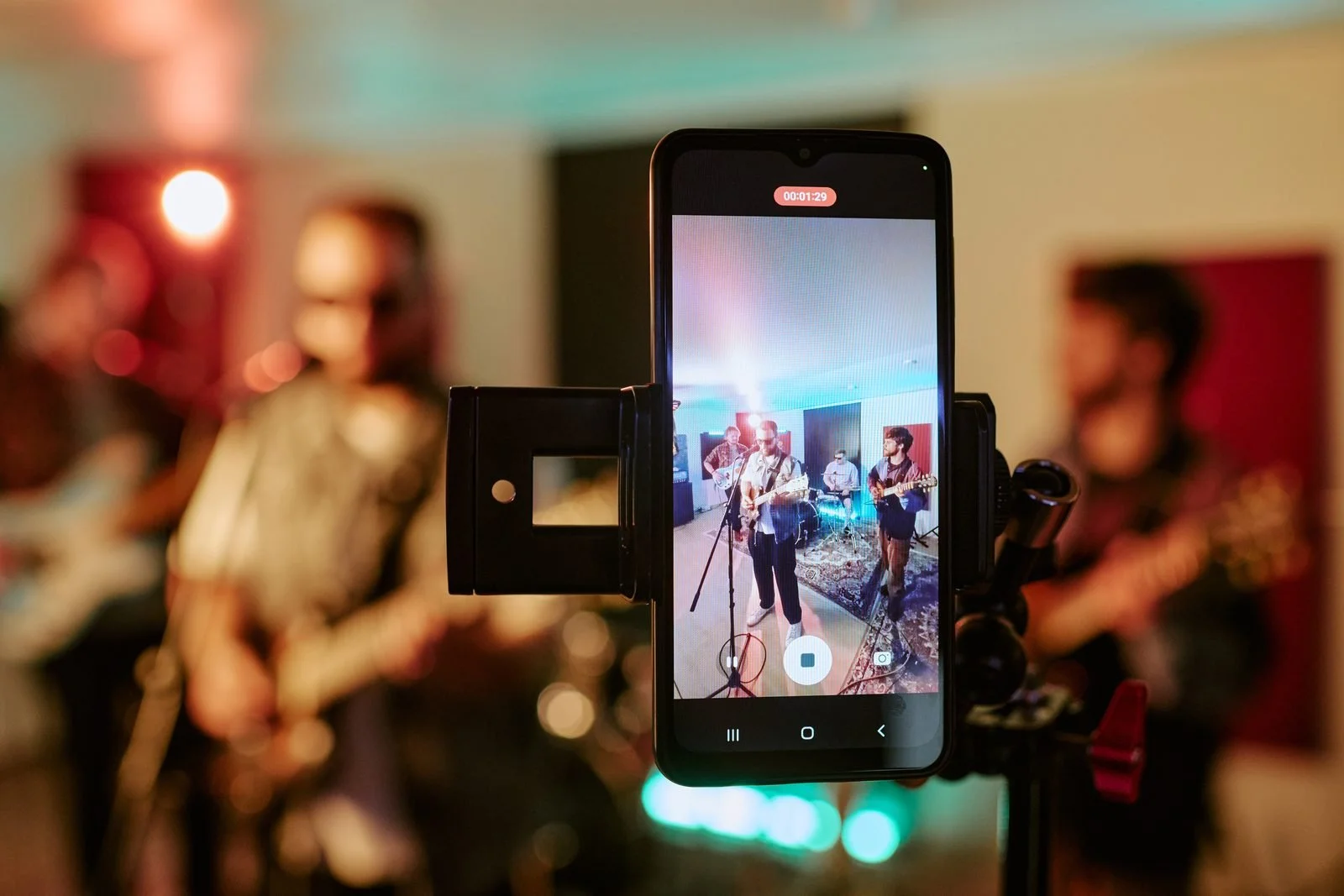
Content repurposing means taking something you already made and changing its format so it works somewhere new. The story stays the same. The shape changes to fit the platform.
A 10-minute interview becomes a YouTube video, a few vertical clips, a blog post, an email and a set of photos. A 40-second commercial becomes a 20-second one. A trip video becomes a photo set.
It gets mixed up with two other habits:
Crossposting is putting the same piece on several platforms, like one Reel on Instagram, TikTok and YouTube Shorts.
Reposting is sharing the same piece again later on the same platform.
Both are fine. Repurposing is where the bigger gains are, because each new format reaches people the original never would. Someone who won't sit through a 12-minute video might watch 40 seconds on their lunch break and then go find the full thing.
Why Repurpose Instead of Making More?
A shoot is the expensive part. The crew, the talent, the gear and the location are all paid for the moment you start rolling. A few extra hours of editing costs far less than a second shoot day.
The data points the same way. In HubSpot's State of Marketing report, marketers ranked short-form video first for ROI (48.6%) and long-form video second (28.6%). You get both from the same shoot if you plan for it.
The same report found 49.4% of teams reuse the same content across platforms, while only 39.5% tailor it for each one. That gap is the whole game. Reusing is copying. Repurposing is tailoring.
Plan the Repurposing Before Anyone Hits Record
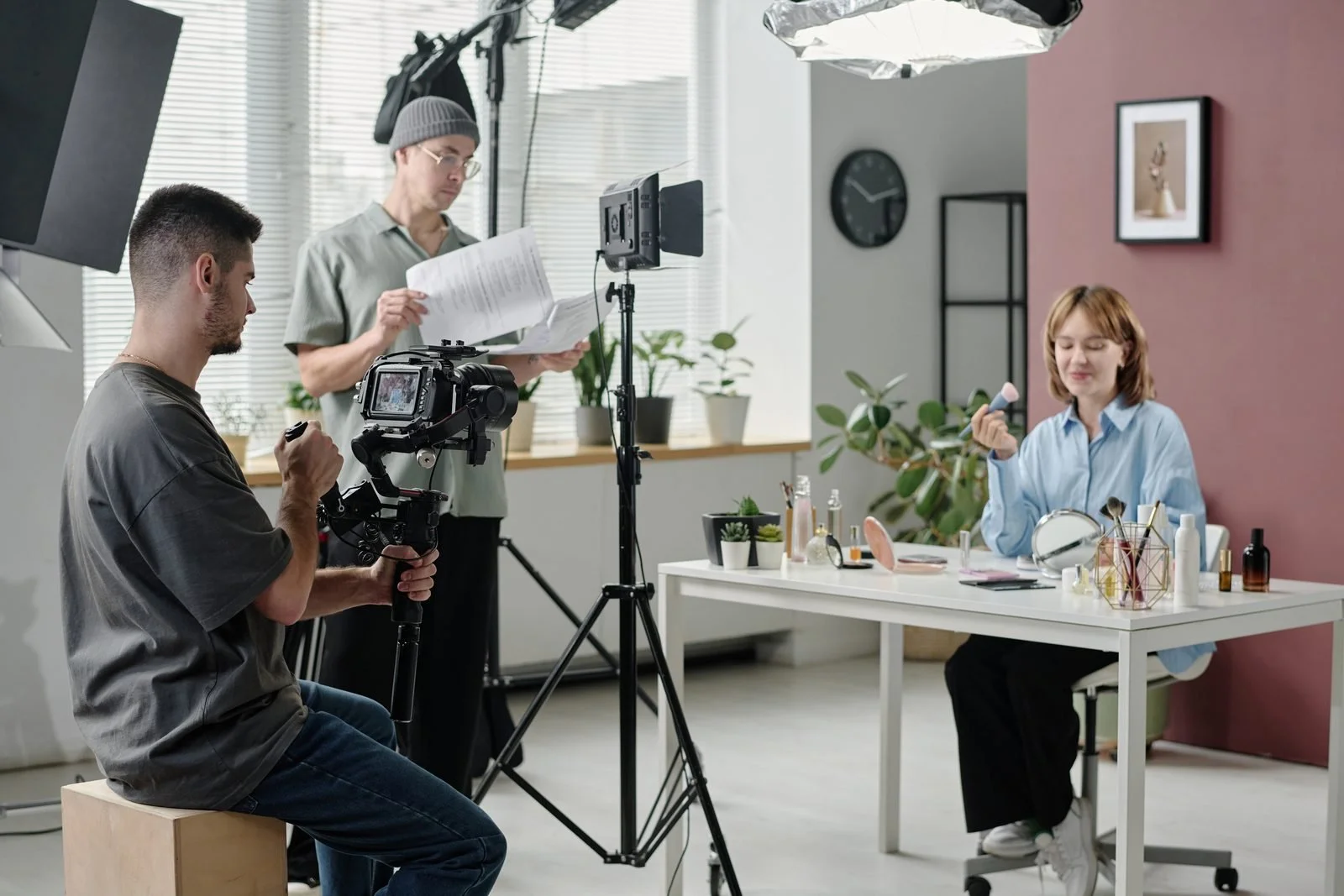
This is the part every top-ranking guide skips, and it's the part that matters most. If you decide on formats after the shoot, you're stuck with the angles you got.
Before the crew shows up, write down every format you want: the long video, shorter cuts, vertical clips, ads, photos, email. Then build the shot list around that list.
Frame for vertical: Shoot wide enough to crop to 9:16, or run a second camera set up for vertical.
Ask open questions: Answers that stand on their own make clean clips. "Tell me about the day you..." beats "Did you like it?"
Pack for stills: An extra backdrop and a photographer between takes costs very little once the lights are set.
Get B-roll on purpose: Hands, product details, wide shots of the space. That's what lets you cut a 20-second version later.
Batch the topics: If you're filming one video, ask whether you could film four.
What One Shoot Turned Into: Our Breakdowns
Here's what planning looks like in practice, from four of our shoots.
A National Healthcare Brand
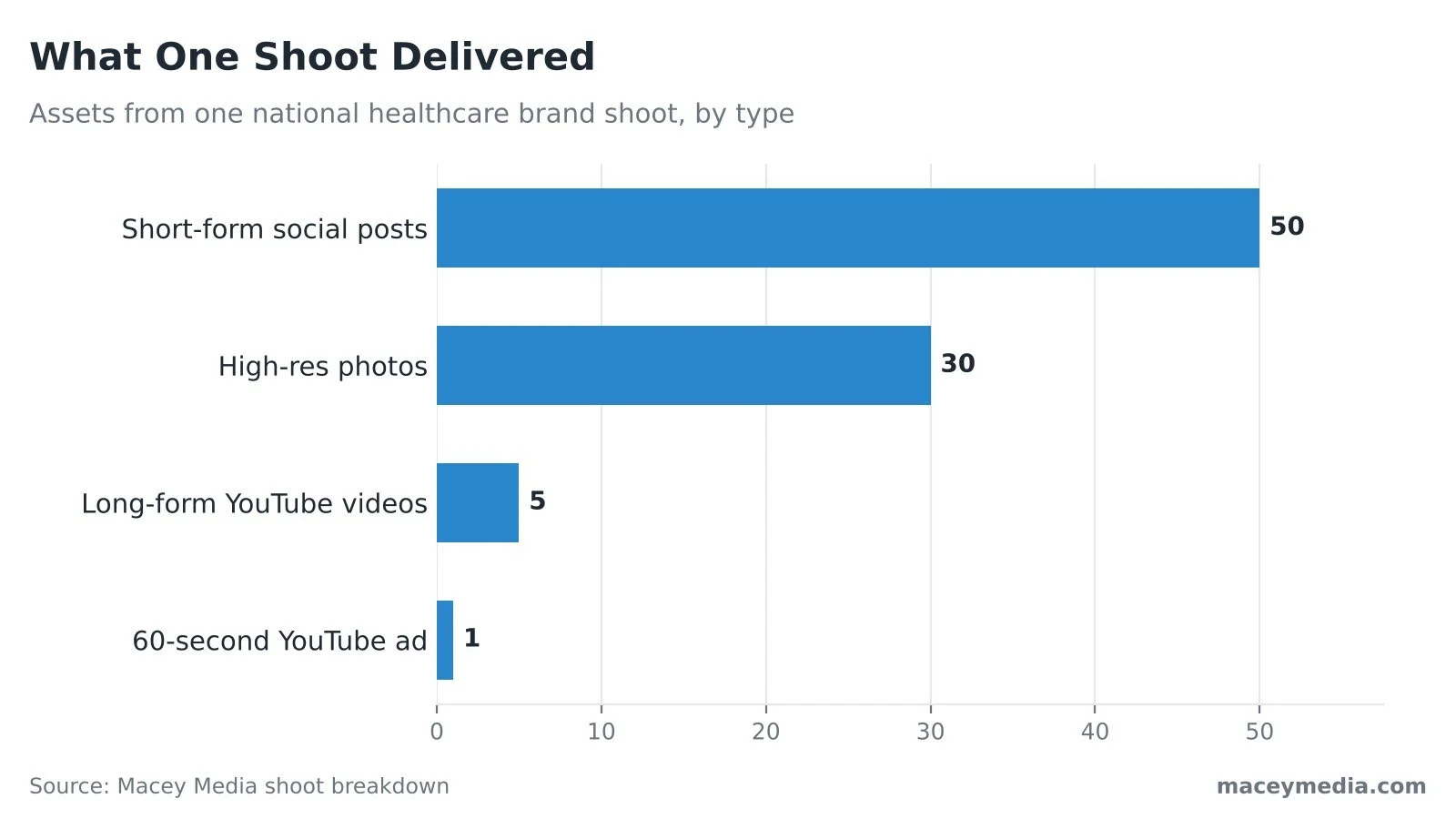
While we filmed interviews and video, we packed an extra white backdrop and captured high-resolution stills at the same time. That one shoot delivered:
5+ long-form YouTube videos
A 60-second YouTube ad
Footage shared with another production team for TV commercials
30+ high-resolution photos plus pull quotes
50+ short-form social posts
We even made a behind-the-scenes reel the client never asked for, because we saw the opportunity. Great marketers extend the shelf life of their content, and it starts with planning.
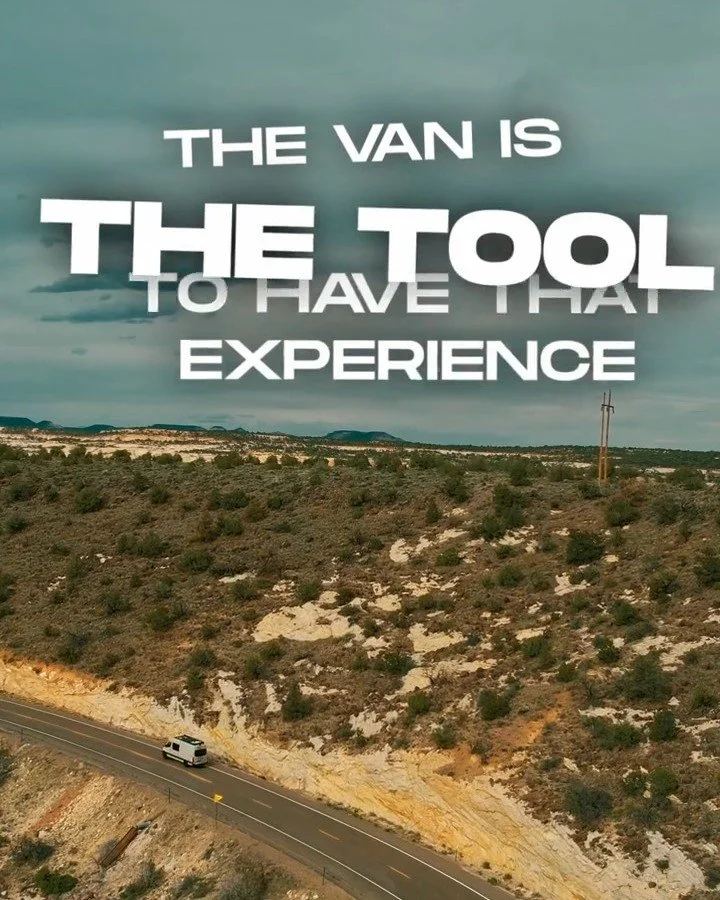
A Camper Van Testimonial
The original scope was one video about my experience with a VanCraft camper van. With a few hours of extra editing, the brand got:
A 10+ minute in-depth testimonial video (the original scope)
A 4-minute version of the same video
3 vertical Reels and Shorts cut from the original
10+ edited photos
Each version does a different job. The long video is for buyers doing deep research. The 4-minute cut fits a product page. The Reels catch people scrolling who didn't know they wanted a camper van yet. Our testimonial video production work is planned this way from day one.
A Business Retreat

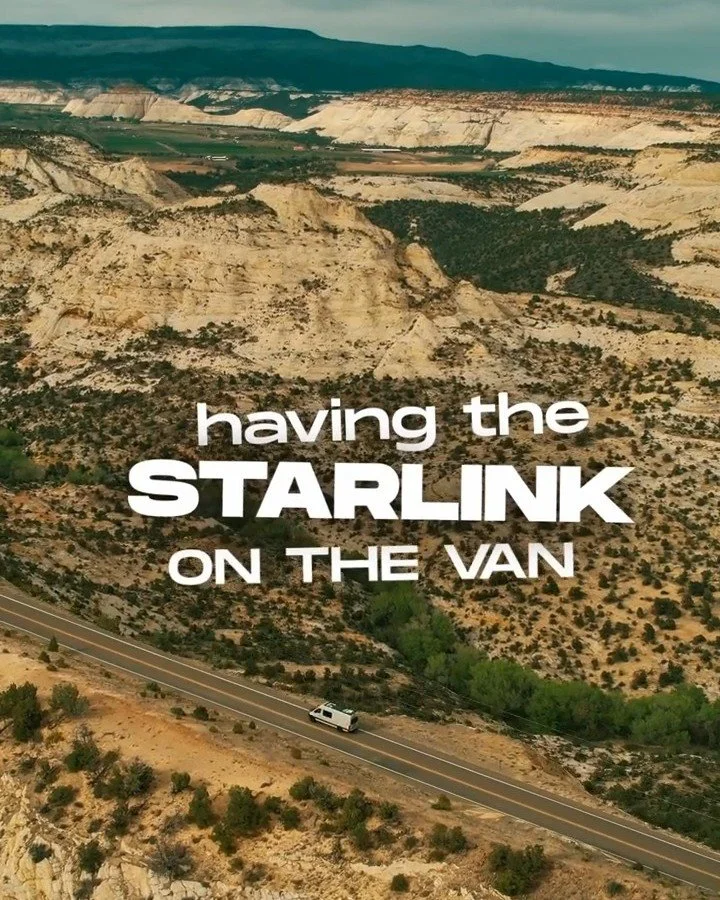
Every photo and video from this retreat could stand alone as its own social post. Stitch them together with purpose and you get a brand-new story.
Event footage works well for this because one day holds dozens of small moments: arrivals, sessions, meals, the view at sunset. Each one is a post. Put five in order and you have a recap. That's how we turn one shoot into a month or more of social content.
A Year of YouTube From One Hotel Suite
For one client, we film quarterly. Renting a hotel conference room was going to cost way more than upgrading my room to a suite, so we moved some furniture, set up a green screen, two cameras and lights, and filmed 12 long-form YouTube videos in one shoot.
That's a year's worth of YouTube content from one shoot, and we cut a whole social media plan out of those long videos too.
One Commercial, Two Lengths
This is a commercial we produced for Motus, delivered as a 40-second spot. From the same footage we also cut a 20-second version.
That's the simplest kind of repurposing there is, and one of the most useful. Ad slots, pre-roll and social placements all reward different lengths. A shorter cut isn't the long one sped up. It keeps the strongest shots, drops a beat or two of story and lands the message faster. If you know you'll need both, shoot enough coverage to build both.
Same Footage, a Different Edit
This is the alternative version of a highlight video we made from a taco tour in Mexico City. Same trip, same footage, a second edit.
People forget this option. You don't always need a shorter cut or a new platform. Sometimes the same footage, cut with a different pace, music or opening shot, gives you a second video that feels new. One version can run on your website and the other on social, or you can test both and keep the one that holds attention longer.
One Trip, a Video and a Photo Set
We filmed this manager's trip to the U.S. Virgin Islands for Aptive Pest Control. The video is the main piece. The photos we shot on the same trip are a second set of content with no extra travel.
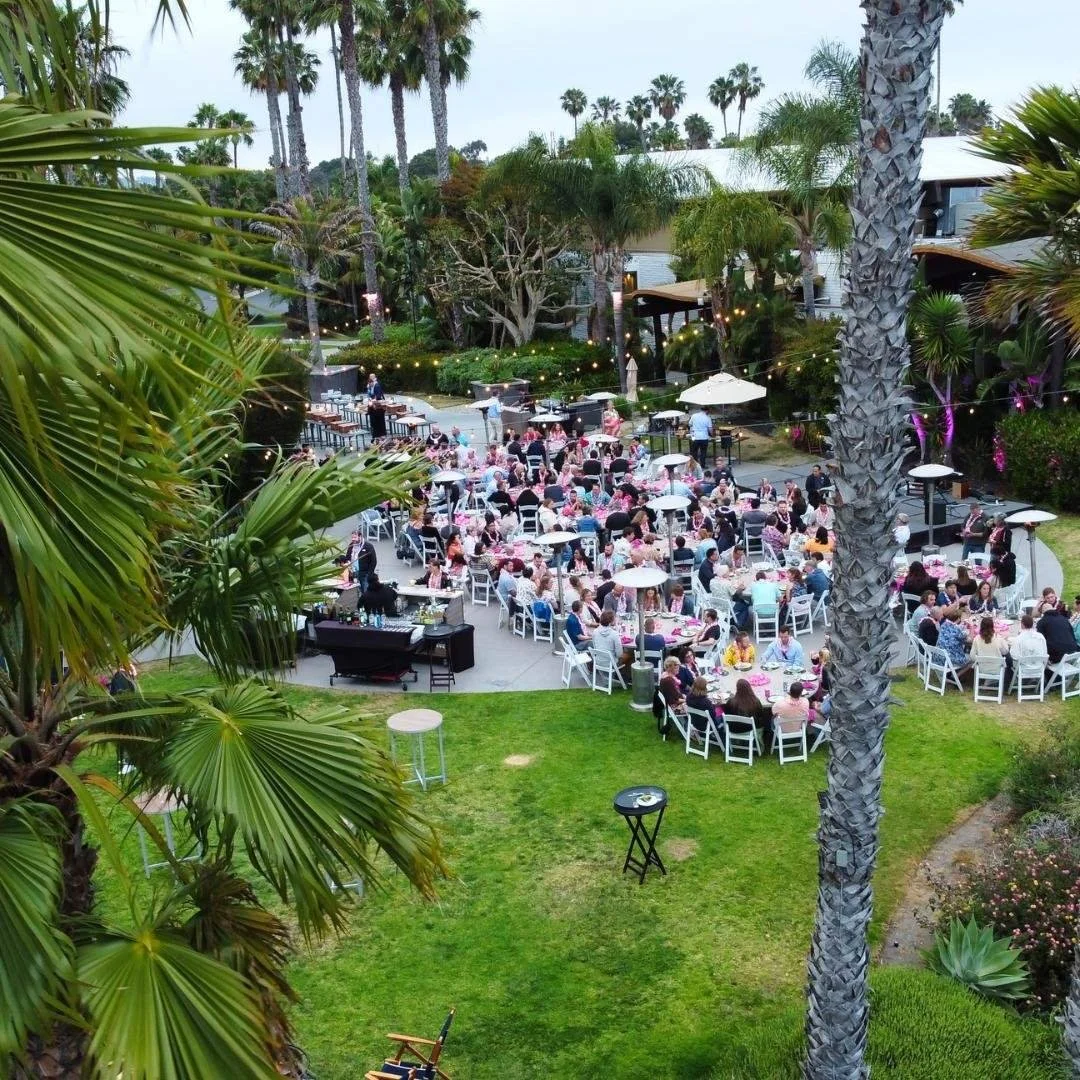
A trip like this is a short window. You can't go back next week for more shots, so you capture video and stills together while everyone is there.
The video tells the story start to finish. The photos work alone: a single image on social, a header on a recruiting page, a slide in next year's kickoff deck. If you're filming an event or trip, plan for both. Our corporate event videography shoots are built this way.
One Product Shoot, a Full Photo Library
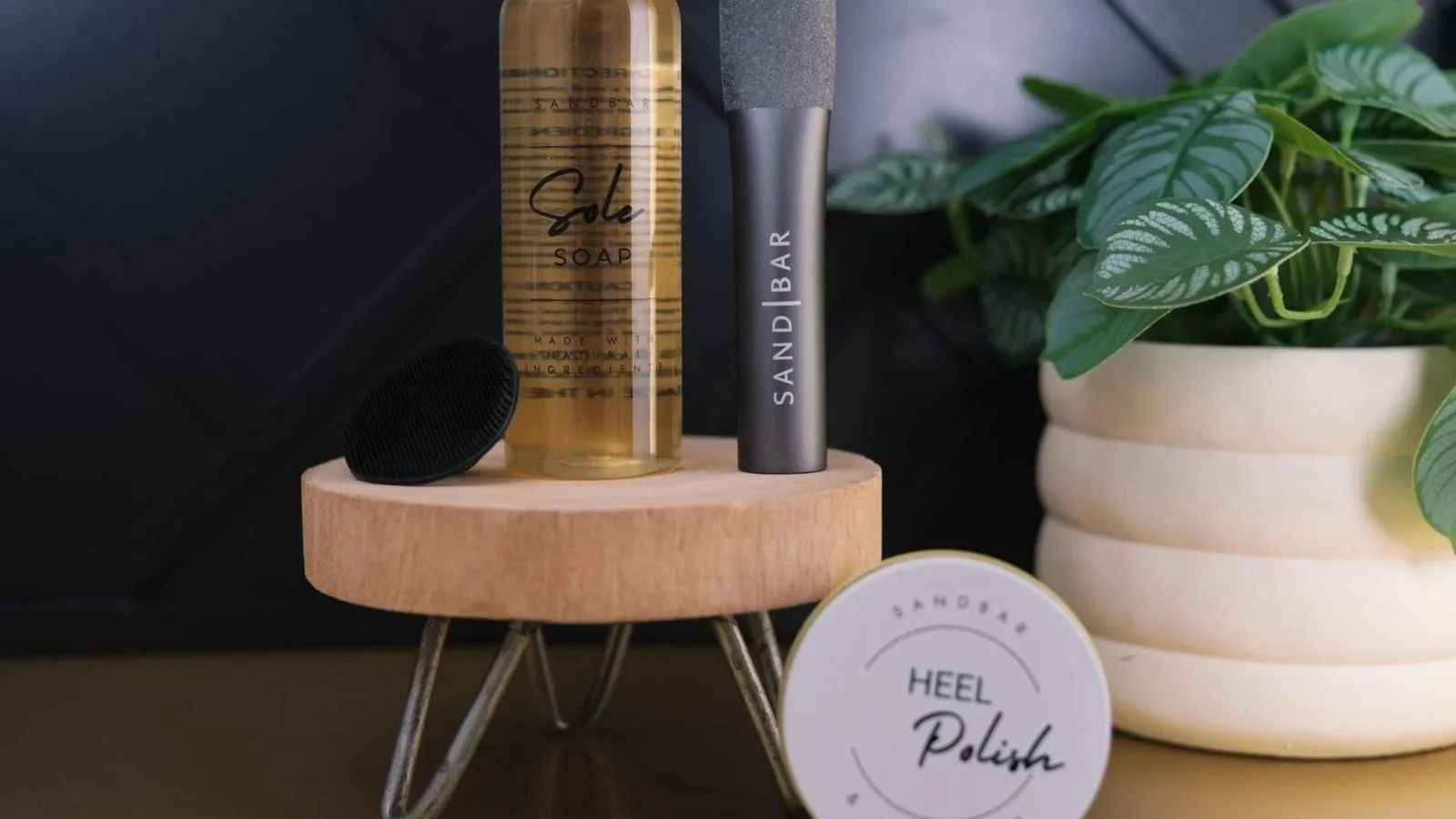
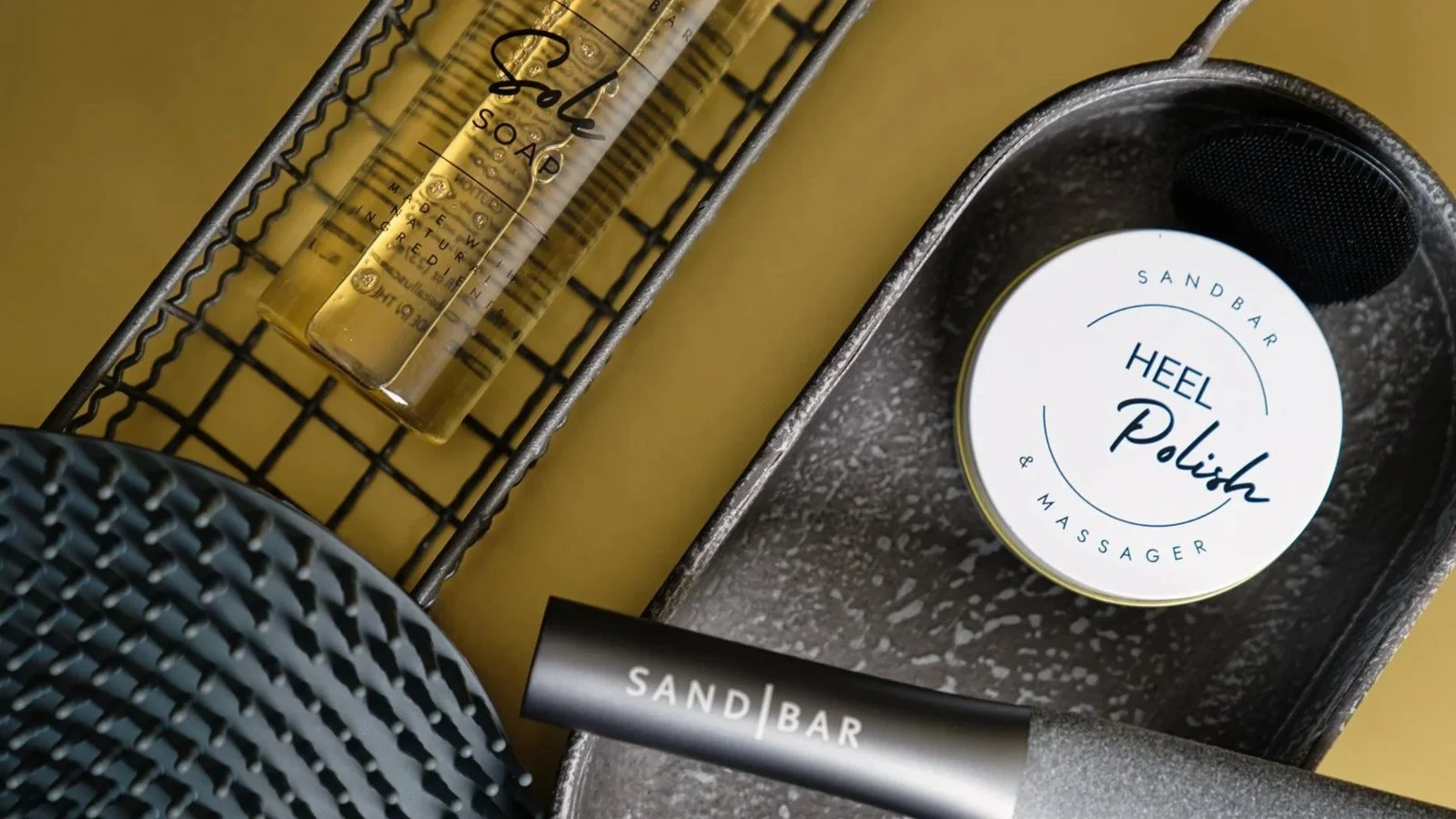
These two images came out of one SandBar product shoot. One setup, one day, many usable photos.
Product photos get used everywhere: the product page, ads, email headers, social posts, marketplace listings. Getting a range of angles and setups in one session is far cheaper than booking a new shoot every time a channel needs fresh images. That's why we pair video shoots with our corporate photography services whenever it fits.
Fit Each Piece to Its Platform
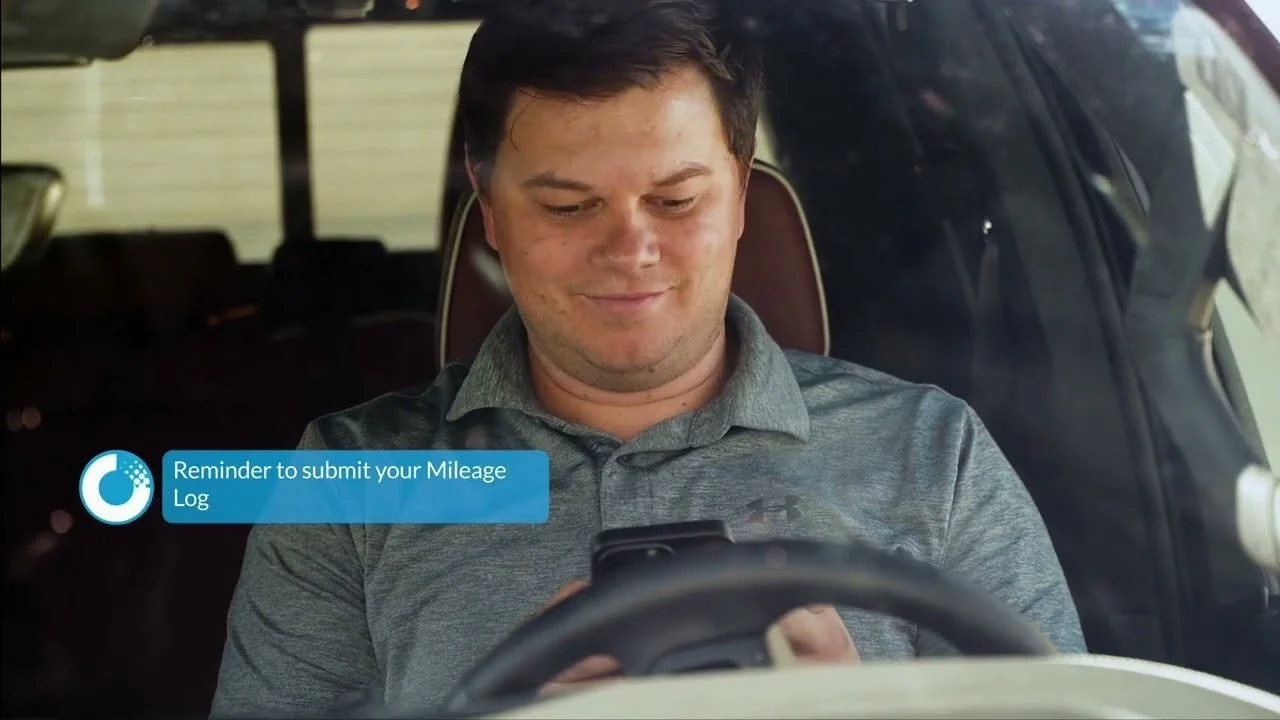
Change the format, not only the file size.
Shape: 16:9 for YouTube and your website, 9:16 for Reels, Shorts and TikTok, 4:5 or square for feeds.
Length: YouTube Shorts can run up to 3 minutes if the video is vertical or square, and Instagram expanded Reels to 3 minutes too. Longer is allowed. Shorter still tends to win.
Captions: many people watch on mute. Burn them in or upload a caption file.
Copy: a LinkedIn post can run long. A Reel caption should be one line. Use the words people search for, too. Our guide to social media for SEO explains why that matters.
Each short clip needs a hook in the first second or two, one idea and a clear ending. If a clip only makes sense after watching the full video, it won't work alone. If you're pulling clips from a long upload, here's how to clip a YouTube video without a full re-edit.
Our guide to short-form content covers the format in more detail.
Don't forget the written side. Use the transcript to write a blog post, an email or a LinkedIn post. This article started as one of my LinkedIn posts. Add headings and a clear answer at the top, then embed the video so the two support each other. Our video SEO guide covers getting both found.
What One 10-Minute Interview Can Become
Use this list the next time you plan a shoot:
1 full-length YouTube video
1 shorter cut (2 to 4 minutes) for your website or a product page
1 ad cut (15 to 60 seconds), plus a shorter version
5 to 10 vertical clips for Reels, Shorts and TikTok
1 blog post built from the transcript
1 or 2 emails
1 LinkedIn post with a clip
10+ photos and a few quote graphics
That's 20+ pieces from one conversation, and every piece points back to the same message.
Spread It Out Over Weeks, Not Days
The fastest way to waste a shoot is to post everything in one week. You burn through months of content and go quiet again. Keeping a steady schedule is a big part of what our social media management services handle for clients.
A simple rhythm that works for a lot of brands:
Week 1: publish the long video on YouTube and the blog post.
Week 2: post 2 or 3 short clips and send the email.
Week 3: post photos, quote graphics and 2 more clips.
Week 4: run the best-performing clip as an ad and post a recap.
Watch what lands. Ten clips from one interview tell you which message people respond to, and that tells you what to film next time.
When you pick what to repurpose from older work, start with your top performers, evergreen questions customers will still ask a year from now, and anything from a paid shoot. Those give you the most material and the best odds.
Does Repurposed Content Hurt SEO?
Not if you change it. Google's own guidance says it groups pages that are very similar and picks one version to show. Paste the same article onto three pages of your site and they compete with each other.
So rewrite for each format. A blog post built from a video transcript should add structure, headings and context. Short clips, alternate edits and photos are new content by nature.
Questions People Ask About Repurposing
What is an example of content repurposing?
One of our camper van testimonial videos ran over 10 minutes. From that one video we cut a 4-minute version, 3 vertical Reels and Shorts, and delivered 10+ edited photos. Same shoot, four kinds of content.
How do you repurpose a video?
Start with the longest version. Cut shorter versions for ads and product pages, pull vertical clips that each make one point, grab stills, and turn the transcript into a blog post or email. Add captions to every clip.
How much content can you get from one shoot?
With a plan, a lot. One of our shoots delivered 5+ YouTube videos, a YouTube ad, 30+ photos and 50+ social posts. Another produced 12 long-form YouTube videos in one session, a full year of uploads.
Is repurposing content bad for SEO?
No, as long as each version is rewritten for its format. Google groups near-identical pages and shows one, so pasting the same article onto several pages only competes with itself. A blog post built from a video transcript, with its own structure and context, is a new page.
How often should you post repurposed content?
Spread it out. Plan a few pieces a week across a month or a quarter instead of posting everything at once. Most people miss a post the first time, so a new format a few weeks later still reaches fresh eyes.
Get More Out of Your Next Shoot
My team plans every shoot around what it can turn into, not only the one video on the contract. Video projects start at $5,000, most land between $10,000 and $20,000, and a medium-sized project takes about 4 to 6 weeks.
See how we work as a content marketing agency or reach out here. You can also call us at (385) 831-1130. Tell me what you're filming next and I'll show you everything it could become.
