

My team just made an 8-minute video that will never go viral.
It's going to make our client a lot of money anyway.
That's the difference between making a video and having a video content strategy. A video content strategy is a plan for what you film, why you're filming it, where every piece will live and how the right people will find it. It ties every video to a business goal, like leads or sales, instead of views alone.
Most video producers are creators first, and their process looks like this: make a video > deliver the asset > get paid > start the next project. One-off projects aren't bad. But if you want video to grow your business, it has to be part of the puzzle. It can't be the whole puzzle.
Watch Bobby break down the 8-minute video on LinkedIn
What Is a Video Content Strategy?
Before anyone hits record, a good strategy answers five questions:
What's the goal? Awareness, leads, sales or keeping the customers you already have.
Who is it for? One clear viewer, not "everyone."
What are they searching for? The questions your customers type into Google, YouTube and AI tools like ChatGPT.
Where will it live? YouTube, your website, social feeds, email and ads.
How will we reuse it? One shoot should turn into a lot of content.
If you can't answer those five, you have a video. You don't have a strategy yet.
Creators Think About the Shot. Marketers Think About What Happens Next.
I'm a creator at heart, so I say this with love.
Creators think about the shot. The lighting, the color, the music.
Marketers think about what the video does after it's delivered. Who sees it? Does it rank? Does it bring in leads?
You need both. A beautiful video nobody finds is an expensive decoration. A strategic video that looks cheap hurts your brand. Put the two together and video starts paying for itself. That pairing is how we run every corporate video production project.
The audience is already there. A Pew Research Center survey found 84% of U.S. adults use YouTube, more than any other platform it tracked. Your customers are watching. The question is whether they're watching you or your competitor.
The 8-Minute Video That Will Never Go Viral
Here's what a strategy looks like for one of our healthcare clients.
It started with a service page. The client already had a page for one of their treatments, full of SEO-focused content. We'd added videos from our testimonial video production work there too, and those were helping.
Then we built "the beast." It's an 8-minute, in-depth educational video, planned for search from pre-production through post-production. It's built to rank on YouTube by itself.
We embedded that same video on the service page, so the page now has a video element that helps it rank too. Then we chopped it into vertical clips for YouTube Shorts, Instagram Reels, Facebook Reels, TikTok and a LinkedIn post for the company. The client is also sending it out as part of an email campaign.
One piece of content, plugged into five channels. It doesn't need to go viral. It shows up every time a potential patient searches for that treatment, and that's what makes the client money.
Start With the Question, Not the Shot
This is a video we made for VanCraft. Look at the title. It's written the way a buyer thinks before they spend money on a camper van: what's it really like?
That's where every strategy should start. Find out what your customers are asking before you plan a single shot. Look at Google's "People also ask" box, YouTube's search suggestions and the questions your sales team hears every week. Write down the exact words people use, then build the video around one of those questions.
A question-led video does two things a pretty brand piece can't. It shows up when someone searches, and it answers the doubt that was keeping them from calling you. Our guide to video SEO covers how to pick topics that rank.
Build One Hero Video Per Topic
We made this one for Narwhal Homes, and it lives on their own YouTube channel. It's built for people who are thinking about moving to Lehi and want to see what the homes look like.
That's a hero video: the long piece that fully answers one topic. It's usually 5 to 10+ minutes. It ranks on YouTube, it gets embedded on the matching page of your website, and every short clip gets cut from it.
Don't let your hero video live only on YouTube or Instagram. Put it on the service page or blog post it supports. Add captions, and paste a short summary or transcript under the video so Google has text to read. Plenty of people watch with the sound off, too. Google's own video best practices recommend a page where the video is the main focus, with a clear title and description.
Plan the Clips Before You Film

The edit starts on set. If you want 10 vertical clips, plan 10 moments that stand on their own, each with a strong hook, one idea and a clean ending. Shots like this one are easy to grab when you know you need them, and almost impossible to fake later.
Our briefs fit on one page:
Who it's for and the question it answers
The one goal and the numbers we'll judge it by
The key message and the call to action
Every place it will run, and the clips we need for each
When the brief is done before the shoot, the payoff is big. For a luxury home builder, 2 hours of filming on site turned into 15+ vertical videos. That's a lot easier to pull off on set than in the edit bay.
One Video, Two Jobs: The Horseback Ride Ad

Content doesn't have to be complicated.
We made a short video for East Zion Adventures that's running as a paid ad across several platforms and as an organic social post.
The goal was to show, not tell. Show what a horseback ride with this company actually feels like, and let the host tell a story out loud that lines up with what you're seeing. We cover how to carry that kind of video storytelling onto your website in a separate guide.
Very simple. Very effective. One edit does two jobs: it buys reach as an ad and builds trust in the feed. That's what a strategy does. It decides where a video goes before it's made, so nothing gets made for one use and then forgotten.
Short clips like this one pull their weight. In HubSpot's State of Marketing report, marketers named short-form video the format with the highest return, ahead of images and live video. And YouTube says Shorts now average over 200 billion daily views.
Match the Video to Where the Viewer Is
Different videos do different jobs:
Just finding you: short social clips and brand stories
Comparing options: explainers, how-tos and walkthroughs (this is where "the beast" lives)
Ready to buy: testimonials, case studies and product demos
Already a customer or on your team: onboarding, training, event and culture videos
Most businesses only make the first kind. The middle two are where the money is. The last one gets forgotten, and it shouldn't. If you're a small team deciding where to start, our guide to video marketing for small business walks through it.
Videos for People Who Already Know You
This is a recap we made of Aptive Pest Control's manager's trip to the U.S. Virgin Islands. Its audience isn't strangers. It's the people who earned the trip and the people who want to earn it next year.
Recap and culture videos like this help with recruiting and keeping good people, and they give your social feeds something real to show. If you have an event coming up, plan your corporate event videography the same way you'd plan an ad: who's it for and where will it run?
What a Month of Content From One Shoot Looks Like
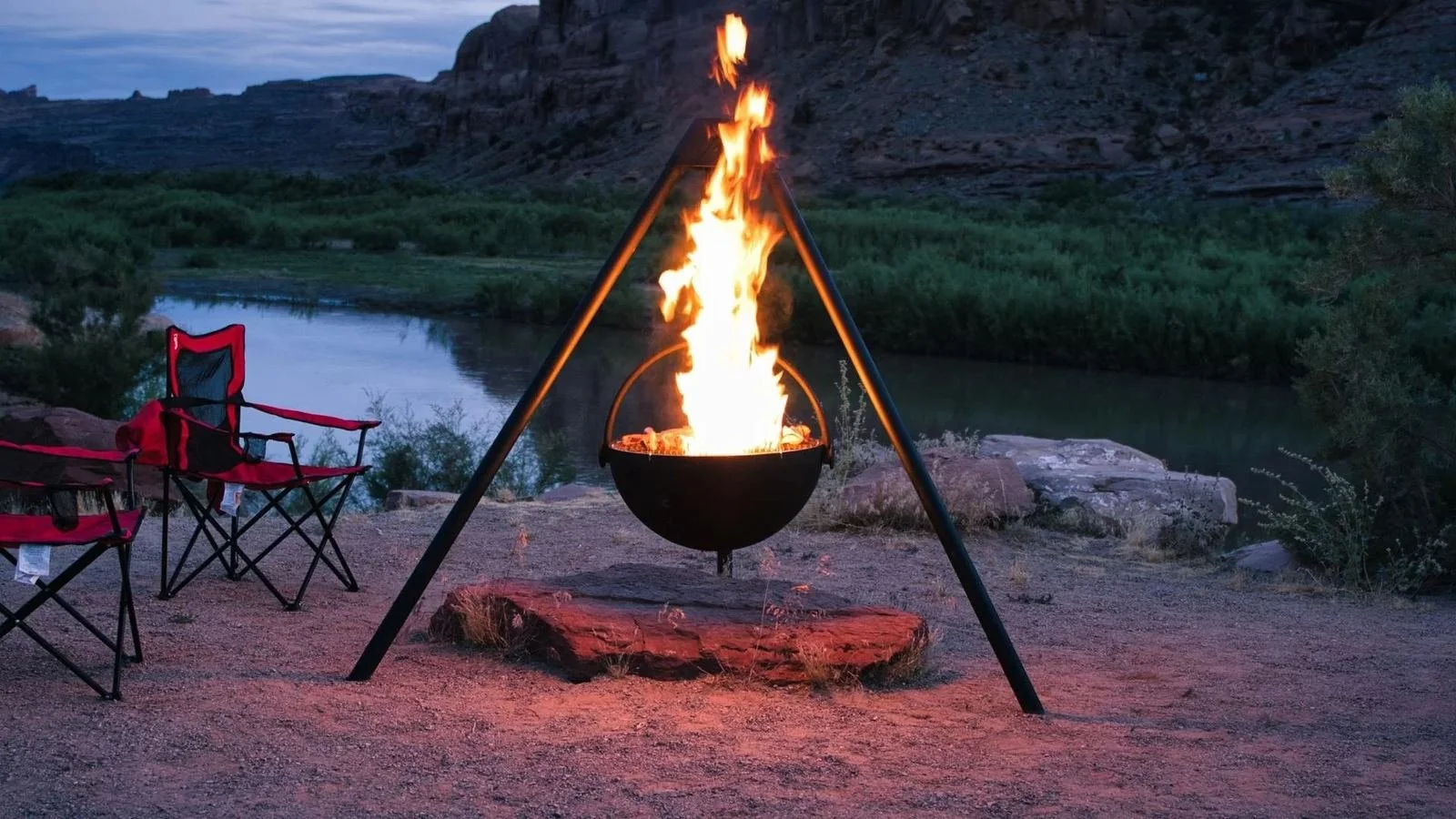
This is a still from our Cowboy Cauldron project in Moab. Photos like this come out of the same shoot days as the video, and they're part of the plan too.
Here's how a single planned shoot usually breaks down:
1 long hero video: YouTube, plus embedded on your website
8 to 15 vertical clips: Reels, Shorts, TikTok, LinkedIn and Facebook. Our guide to short-form content covers what makes them work.
Still photos: blog posts, social posts and your website
A 15- to 30-second cut: paid ads
The full video or best clip: your email newsletter
For most brands posting twice a week, that's a month of content. A sample month might look like this:
Week 1: publish the hero video on YouTube, embed it on the service page and send it in email.
Week 2: post two vertical clips that each answer one question from the video.
Week 3: post two more clips and run the best one as a small paid ad.
Week 4: post a behind-the-scenes clip and a customer-focused clip, then check your numbers.
Our content repurposing guide goes deeper on turning one shoot into many pieces.
Where Video Strategies Fall Apart
These are the ones I see most:
Posting just to post: That's wishful thinking, not a strategy.
Chasing viral: Going viral is fun once. Getting found by the right people every day pays better.
Letting video live in one place: If it's only on Instagram, you're leaving money on the table.
Forgetting the call to action: Every video should tell people exactly what to do next.
Judging a lead video by its views: A video built for leads that gets judged on views will always look like a failure.
Comparing views across apps: Every platform counts a "view" differently, so a TikTok view and a YouTube view aren't the same thing.
How Do You Measure a Video Content Strategy?

Pick one goal per video and no more than three numbers that tell you it's working. Views are nice, but they don't pay the bills. Track what ties back to the goal:
Search rankings: Is the hero video showing up on YouTube and Google for the question it answers?
Watch time and retention: Where do people stop watching? That tells you what to fix in the next edit.
Website leads: Are form fills and calls going up on the pages where the video is embedded?
Clicks from social and email: Are clips sending people to the full video or the service page?
Cost per lead on ads: Is the paid clip bringing in leads at a price that works?
Check at 30 days for social and ads, and at 90 days or more for search. YouTube and Google rankings take time to build, but they keep working long after a social post fades. Then keep what works, make more of it and drop what doesn't.
Why SEO and Video Belong Together
SEO and social media are married now. Google, YouTube and AI tools like ChatGPT pull answers from video, social posts and reviews as well as websites. A video that's planned for search shows up in more of those places.
That's why every video we make starts with a search plan, and why our organic SEO agency team and our video team work under one roof. It's the same approach that took one client from under 3,000 to over 50,000 monthly visits in two years.
Questions We Get About Video Strategy
What are the 5 C's of a video content strategy?
You'll see a few versions online, but most come down to a clear goal, a clear customer, compelling content, consistent publishing and a call to action. We plan with five questions instead: what's the goal, who is it for, what are they searching for, where will it live and how will we reuse it.
How long should business videos be?
Plan both lengths. A long hero video of 5 to 10+ minutes works best on YouTube and your website because it fully answers the question. Clips of 15 to 60 seconds work best on social media and in ads, and their job is to get people to the full video or your site.
How often should a business post video?
Most brands we work with post about twice a week. With a good plan, one shoot can cover a full month of posts at that pace. Pick a schedule you can keep. Consistency matters more than volume.
Does video help SEO?
Yes. A video can rank on YouTube by itself, an embedded video gives your page a video element Google can show in results, and AI search tools pull answers from video and social content as well as websites. Give every video a clear title, a description and a transcript so search engines know what it covers.
How much does it cost to have a team plan and produce video content?
Our video projects start at $5,000, and most land between $10,000 and $20,000 depending on scope. A medium-sized project usually takes 4 to 6 weeks from planning to final cut. Because one shoot is planned to become many pieces, the cost per piece drops a lot.
What's the difference between a video strategy and a video marketing plan?
The strategy is the why and the what: goals, audience, topics and channels. The plan is the when and the who: shoot dates, the posting calendar and who handles each step. Build the strategy first, then the plan.
Let's Plan Your Next Shoot
If you're not using video like this, you should be.
My team plans the strategy, shoots the content and turns it into SEO, social and email content that works together as part of our content marketing services. Video projects start at $5,000, most land between $10,000 and $20,000, and a medium-sized project takes 4 to 6 weeks. We're based in Utah. Tell us what you're working on or call (385) 831-1130, and we'll map out what one shoot could do for you.
