
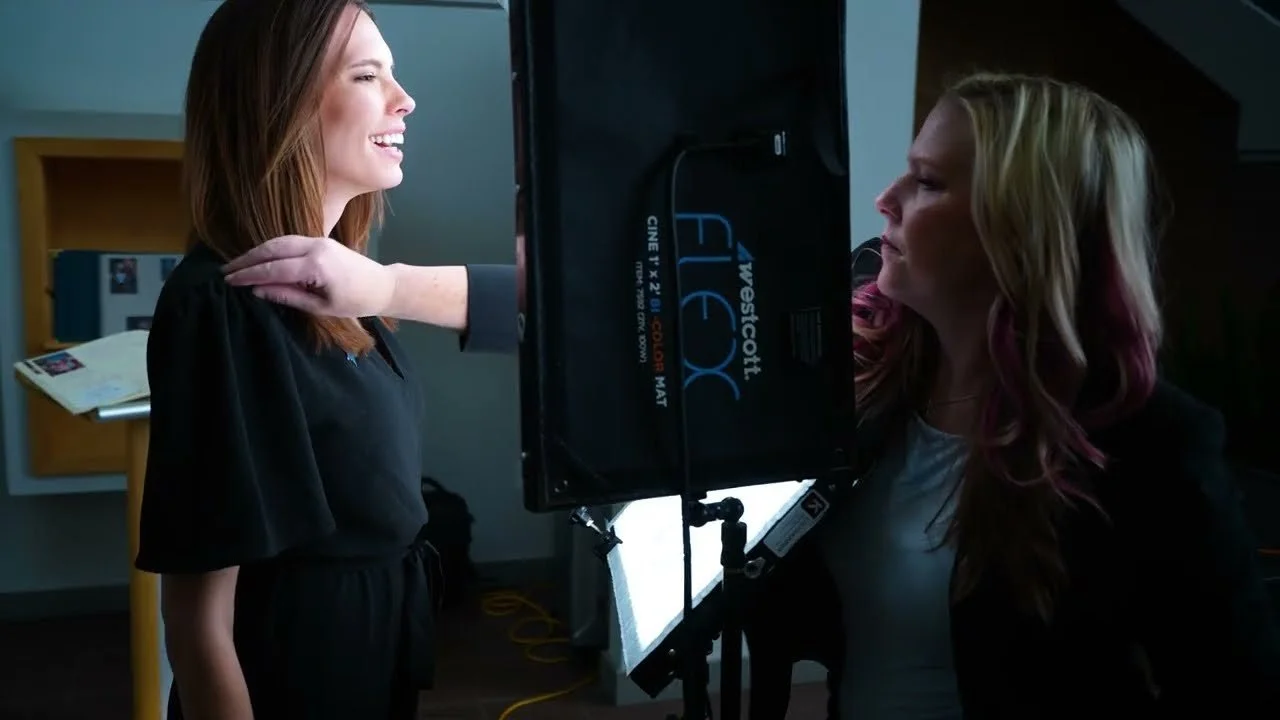
All that effort for one scene?
Yep.
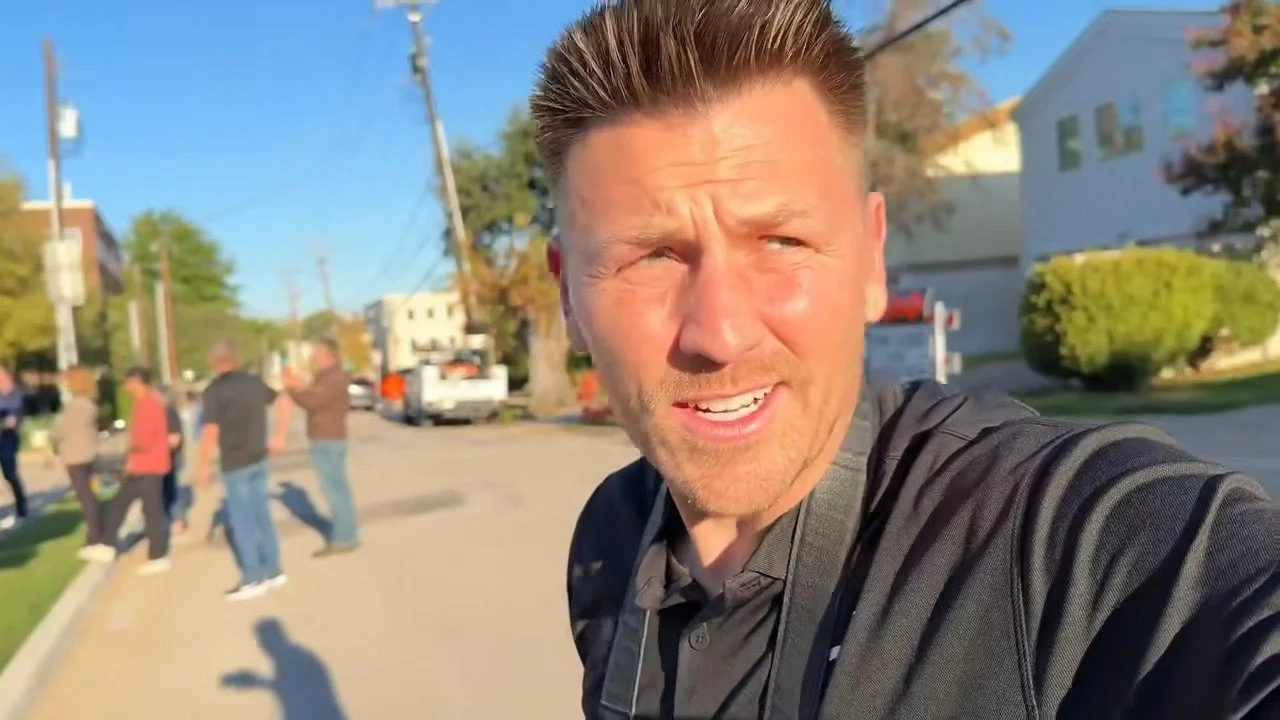
We just wrapped a TV commercial shoot in Dallas, Texas, with a talented group of people all working toward the same 30 seconds. It never stops amazing me how much goes into a 30-, 60- or 90-second commercial.
So, how much does a TV commercial cost? It's two bills: making the commercial and airing it. Making a 30-second spot runs from a few thousand dollars for a local business to $500,000 or more for a national brand. Airing it runs from about $100 a spot on a small local station to $1 million or more in national prime time. Here's what drives each number, what you're paying for on set, and how to get more than one commercial out of a single shoot.
Watch the behind-the-scenes video from our Dallas shoot on LinkedIn.
The Short Answer
Here are the typical ranges for a 30-second spot:
Basic local production: about $1,000 to $5,000.
Professional production: our projects start at $5,000, and most land between $10,000 and $20,000.
National production: multi-day shoots, union talent and big licensing fees often push this into six figures or more.
Local airtime: about $200 to $1,500 per spot in small markets, and up to $150,000 in the biggest cities.
National airtime: national broadcast buys start around $25,000 a flight, and Ad Age put Sunday Night Football at about $1 million per spot.
Streaming TV: self-serve platforms start around $50 a day with no annual contract.
The ceiling: a reported $8 million for a 30-second Super Bowl LX spot.
Production is the bill you pay once. Airtime is the bill you pay every time it runs. A weak spot wastes every dollar of airtime you put behind it, so I tell clients to protect the production budget first, then buy as much airtime as the rest allows.
What a Professionally Produced Spot Looks Like
This is a 30-second promo we made for Kinser Studios. The photo at the top of this post is our crew on that shoot. When someone asks me what "professional" means in the price ranges above, I show them something like this.
Look at what's on screen. Clean lighting. Steady, planned camera moves. Audio you don't notice because it's right. A message that lands inside 30 seconds. None of that comes from a better camera. It comes from planning, a crew that knows its job and an editor who cuts every frame that doesn't earn its place.
That's the gap between the DIY tier and the professional tiers. It's also why the cheapest quote is rarely the cheapest commercial once you put airtime behind it.
How Much Does It Cost to Produce a TV Commercial?
Production cost comes down to the tier of work you need. If you're pricing a brand film or training video instead of a commercial, our breakdown of corporate video production cost covers those budgets.
DIY and AI tools: cheap and fine for a quick social ad, rarely good enough for broadcast. Audio, lighting and the script are usually what give it away.
Basic local ($1,000 to $5,000): a station package or a one-person crew, simple graphics and one location.
Professional local and regional ($5,000 to $20,000+): a director, a real crew, your team or professional talent, several setups and polished post-production. This is where most of our corporate video production projects land. For context, the average video project on Clutch runs about $42,000.
National (often six figures): multi-day shoots, union talent, several locations, effects and big licensing fees.
Celebrity and premium (no real ceiling): famous faces, big sets and the agencies that come with them.
Where the Money Goes
Whether the spot costs $5,000 or $500,000, the same lines show up in every quote:
Concept and scriptwriting: the idea, the script and the shot list.
Director and crew: usually priced per shoot day, so every extra day adds up fast.
Talent: session fees, plus usage fees for where and how long the ad runs.
Equipment and locations: cameras, lights, audio, permits and travel.
Editing and post-production: cutting, color, sound mix and graphics.
Music and licensing: anything from a royalty-free track to a popular song.
Don't underestimate the editing line. Post is where a commercial gets its pacing, color and sound, and it can take as long as the shoot itself. If a quote looks cheap, check that line first.
Who's on Set, and Why Each Person Costs Money
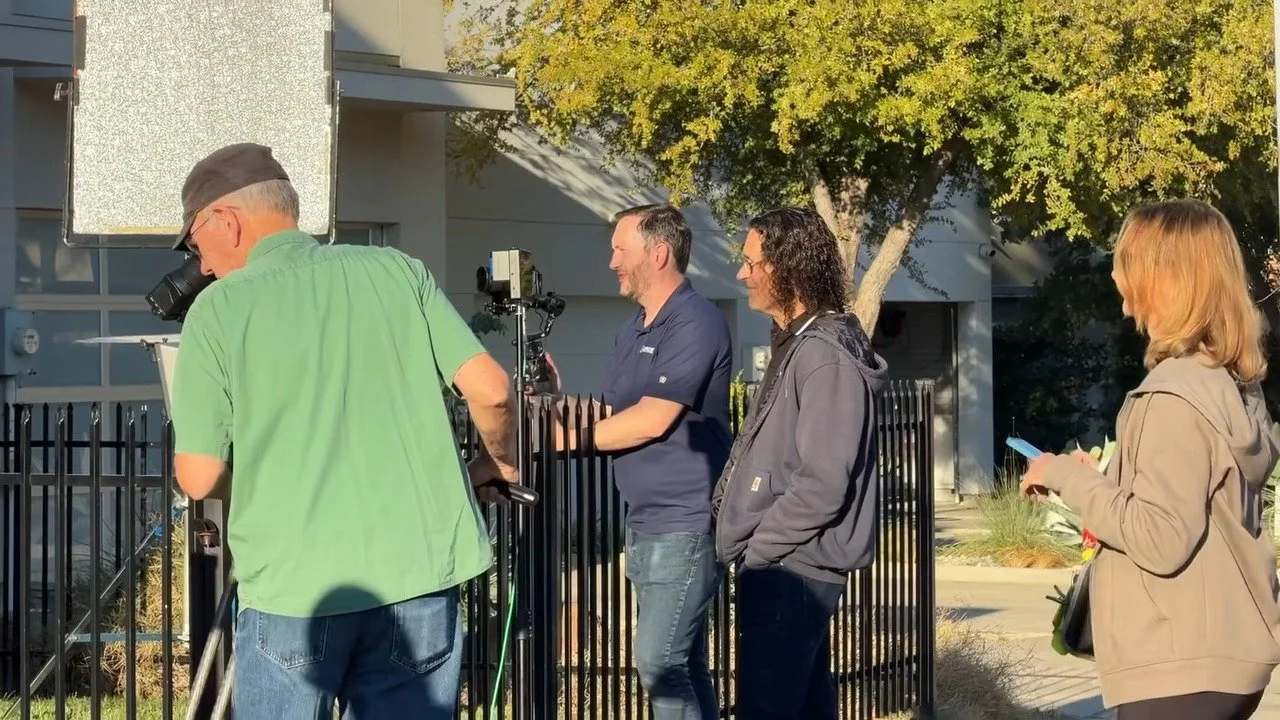
Here's who was on set for our Dallas shoot:
An audio crew
Two camera crews, with a lead camera operator running the main one
Me and Matt from the Macey Media team
A creative director
A makeup artist
An actress
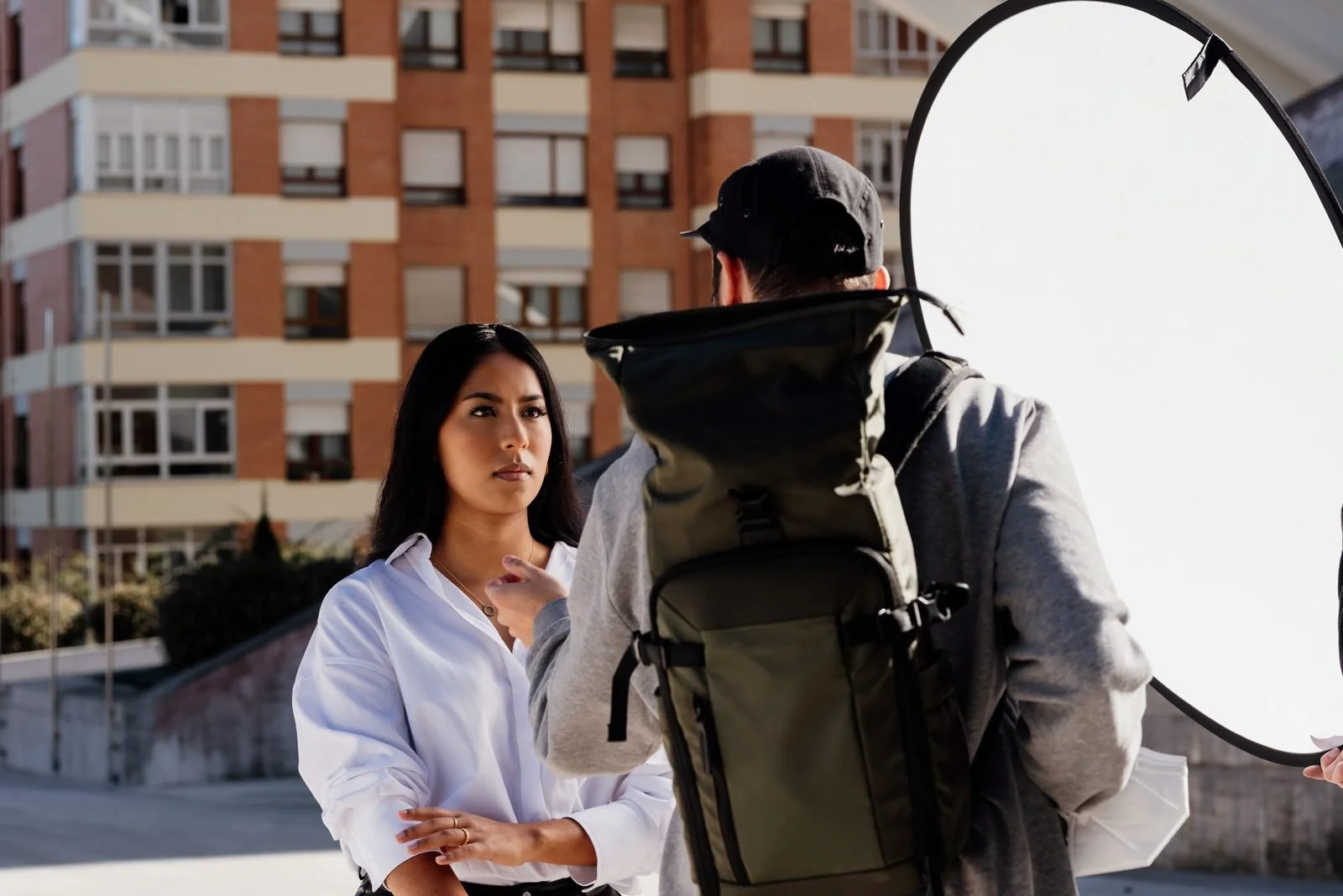
For one scene, the actress walks out of a front door. The sun was behind us, so the crew used a big reflector to bounce light back onto her face.
That's one small decision in one scene, and a commercial is made of dozens of them. Every person on that list is a line in the budget. Every one of them is there because the spot looks worse without them. When you compare quotes, ask each company who will be on set. A lower number often means fewer people doing more jobs.
What Moves the Price Up or Down
Most of the cost is decided before anyone picks up a camera. These are the big levers:
Concept: Every extra scene, effect or moving part adds planning, shoot time and editing.
Locations: Every move means travel, permits and setup time.
Timeline: Rush jobs cost more, because everyone works faster and longer.
Music: A royalty-free track is cheap. A licensed popular song can cost more than the rest of a local shoot.
Talent usage: Expanding where and how long the ad can run raises talent fees.
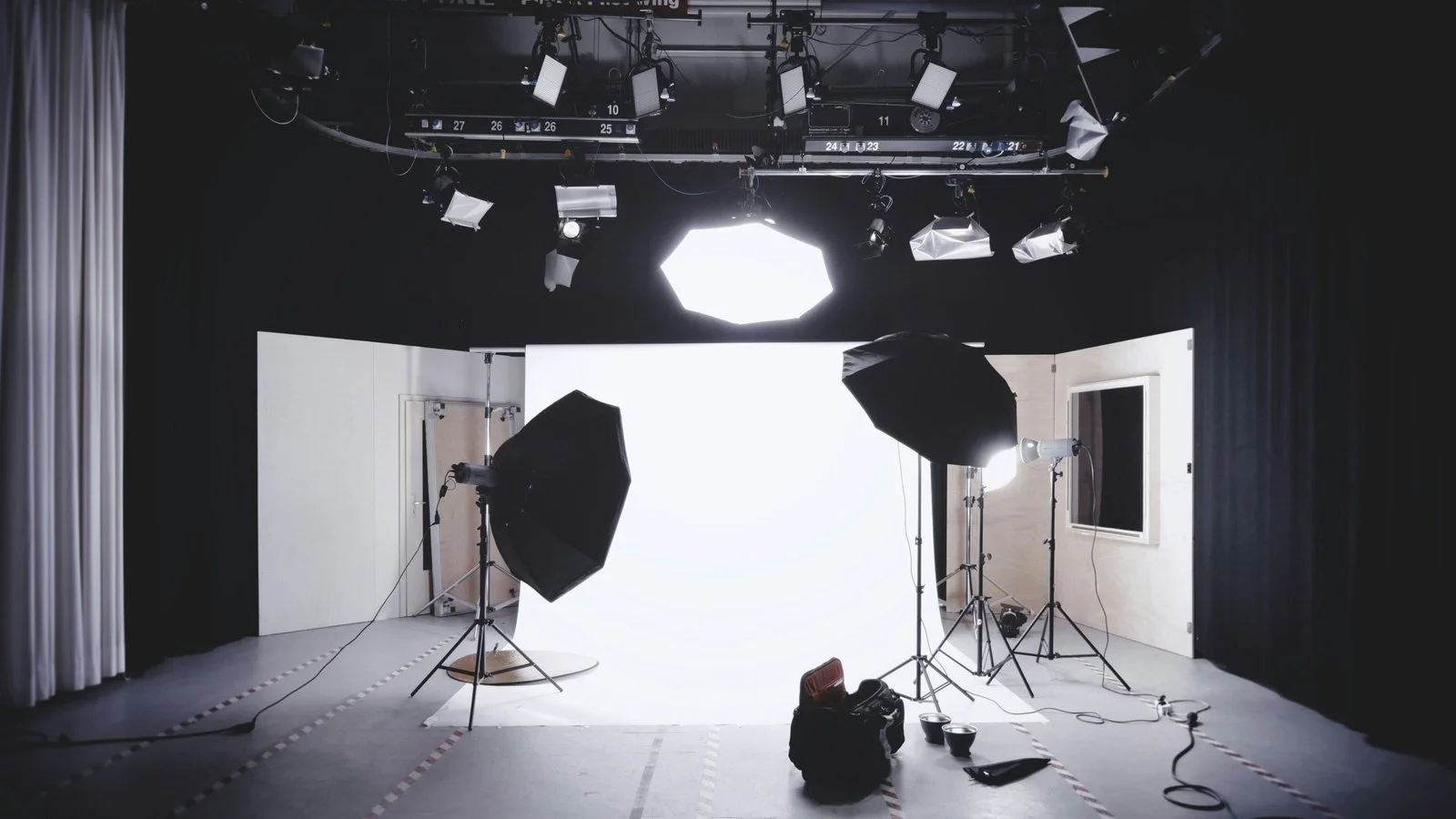
A controlled studio like the one above is one of the easiest ways to keep cost down. No permits, no weather delays, no fighting the sun. You set the lights once and shoot every setup you need. If your idea works in one room, you'll get more polish for the money than you would chasing three locations. It's also how most product video production gets done: one set, one product, every angle you need.
Talent Fees, Usage Rights and Residuals
Talent is the cost people forget to ask about, and it's the one that can come back later.
Union actors (SAG-AFTRA) are typically paid a session fee for the shoot plus use fees or residuals tied to where and how long the ad runs.
Non-union actors often take a one-time buyout for a set term and region.
Extras generally don't earn residuals unless they're upgraded to a featured role.
Your own team costs nothing extra on camera, and real employees often come across as more trustworthy than actors.
Before you sign, ask how long the talent agreement lets you run the ad, and where. Running a spot past its usage term, or moving it from social to TV, can trigger new fees. The same goes for licensed music.
One Shoot, Several Commercials
This is a 40-second commercial we made for Motus. Further down is the 20-second version of the same spot.
The biggest waste in TV advertising is a shoot that produces one 30-second spot and nothing else. You're already paying for the crew, the talent and the location. The extra cost of planning for a second or third length is small next to the cost of coming back for another shoot. Shooting the :15, :30 and :60 on the same day gives you several commercials for a little more planning and editing, not a second production.
Here's what to plan for before the crew shows up:
Shorter cuts (:15 and :06) for streaming, YouTube and social ads
Vertical clips for Reels, Shorts and TikTok. Our guide to short-form content covers what works there.
Behind-the-scenes footage, like the Dallas clips in this post
Still photos for your website and ads
A longer version for YouTube and your website
Watch the two back to back. The 20-second cut isn't a separate shoot. It's the same footage edited tighter, which is why the shot list matters so much. If the editor needs a two-second shot that tells the story on its own, someone has to plan it and the crew has to get it. We go deeper on this in our content repurposing guide.
How Much Does TV Airtime Cost?
Airtime prices move with three things: market size, time of day and season. Election years and the holidays push prices up everywhere.
Local broadcast, per 30-second spot, from Vibe's local TV cost guide:
Off-peak slots: $100 to $500
Local prime time: $500 to $2,500
Small markets: $200 to $1,500
Large cities: $1,500 to $150,000
Local cable packages run about $500 to $2,000 a month in mid-sized markets. National broadcast buys start around $25,000 a flight, and the most-watched shows cost far more: Ad Age put Sunday Night Football at about $1 million per 30-second spot.
Compare Channels by CPM, Not by Spot Price
A spot price on its own doesn't tell you much. CPM does. It's the cost to reach 1,000 viewers, and it puts TV, streaming and YouTube on the same scale.
The math, using Vibe's example: $5,000 at a $35 CPM buys about 143,000 impressions. Shown to each household four times, that reaches roughly 35,700 households. Platforms and agencies often add 10% to 20% in fees on top, so always ask for the all-in number.
Typical CPMs from Vibe: local broadcast $5 to $15, local cable $10 to $20, national broadcast $25 to $40, streaming $15 to $65.
Streaming TV Is Where Smaller Budgets Start
Streaming TV (also called connected TV or CTV) lets you target by ZIP code and audience instead of buying a whole station. Money is moving that way: the IAB's Outlook Study projected US CTV ad spend to grow 13.8% in a year when linear TV ad spend dipped 1.7%. It's one of the video marketing trends we watch most closely.
Self-serve platforms: about $50 a day to start.
Managed monthly campaigns: $1,000 to $5,000 or more.
No skipping: most streaming ads can't be skipped, so viewers see the whole spot.
That last point cuts both ways. People watch the whole thing, so a sloppy spot gets seen in full too.
Setting Your Budget
Here's how I'd put the two bills together:
Start with where it will run. Local broadcast, cable, streaming or a mix. That decides your airtime budget and which lengths and formats you need.
Give production its own line. Don't let airtime eat the money you need to make a good spot. A strong commercial can run for months. A weak one wastes every placement.
Pick a concept that fits the money. One great location beats three rushed ones. Your own people on camera can beat hired talent and skip the usage fees.
Lock the script before the shoot. Changes on set are the most expensive changes there are.
Plan for the costs nobody quotes. Extra revision rounds, talent and music renewals, captioning and station-specific file versions, and buying fees on the media. I'd plan for a buffer of at least 20% above the production quote.
Ask what's included. Before you hire anyone, run through these questions to ask a videographer so every quote covers the same work.
Questions We Get About TV Commercial Costs
How much does a 30-second TV commercial cost?
There are two costs. Producing a basic local 30-second spot runs about $1,000 to $5,000, and our professional projects start at $5,000, with most between $10,000 and $20,000. National spots with union talent and multi-day shoots often run into six figures. Airing it runs about $200 to $1,500 per spot in small local markets and about $1 million for a spot in Sunday Night Football.
Is a 15-second commercial cheaper than a 30-second one?
Usually, on the airtime side. Many stations and streaming platforms price shorter spots lower, so ask for both rates and compare what each costs to reach 1,000 viewers. On the production side, the cheapest move is to shoot the :15 and the :30 on the same day instead of paying for two shoots.
Do actors get paid every time a commercial airs?
Union actors usually get a session fee for the shoot plus residuals or use fees based on where and how long the ad runs. Non-union actors often take a one-time buyout for a set term and region. Extras generally don't earn residuals unless they're upgraded to a featured role.
What is the cheapest way to advertise on TV?
Streaming TV and off-peak local slots. Self-serve streaming platforms start around $50 a day with no annual contract, and small-market local spots can run $200 to $1,500. Either one still needs a well-made spot, or the airtime is wasted.
How much does a Super Bowl commercial cost?
NBCUniversal reportedly charged $8 million for a 30-second spot during Super Bowl LX. That's airtime only. The production behind a Super Bowl ad is a separate bill, and it's often seven figures.
How long does it take to make a TV commercial?
Our medium-sized video projects usually take 4 to 6 weeks from planning to final cut. Casting, multiple locations or heavy effects add time, so plan backward from your air date. Rushing it costs more, because crews, gear and editing all get pricier on a short clock.
Let's Build a Spot Worth Airing
We plan, shoot and edit commercials for TV, streaming and social as part of our content marketing services, and we plan every shoot so you walk away with more than one cut. Our video projects start at $5,000, most land between $10,000 and $20,000, and a medium-sized project usually takes 4 to 6 weeks.
Tell us about your commercial or call (385) 831-1130. We're based in Utah.
